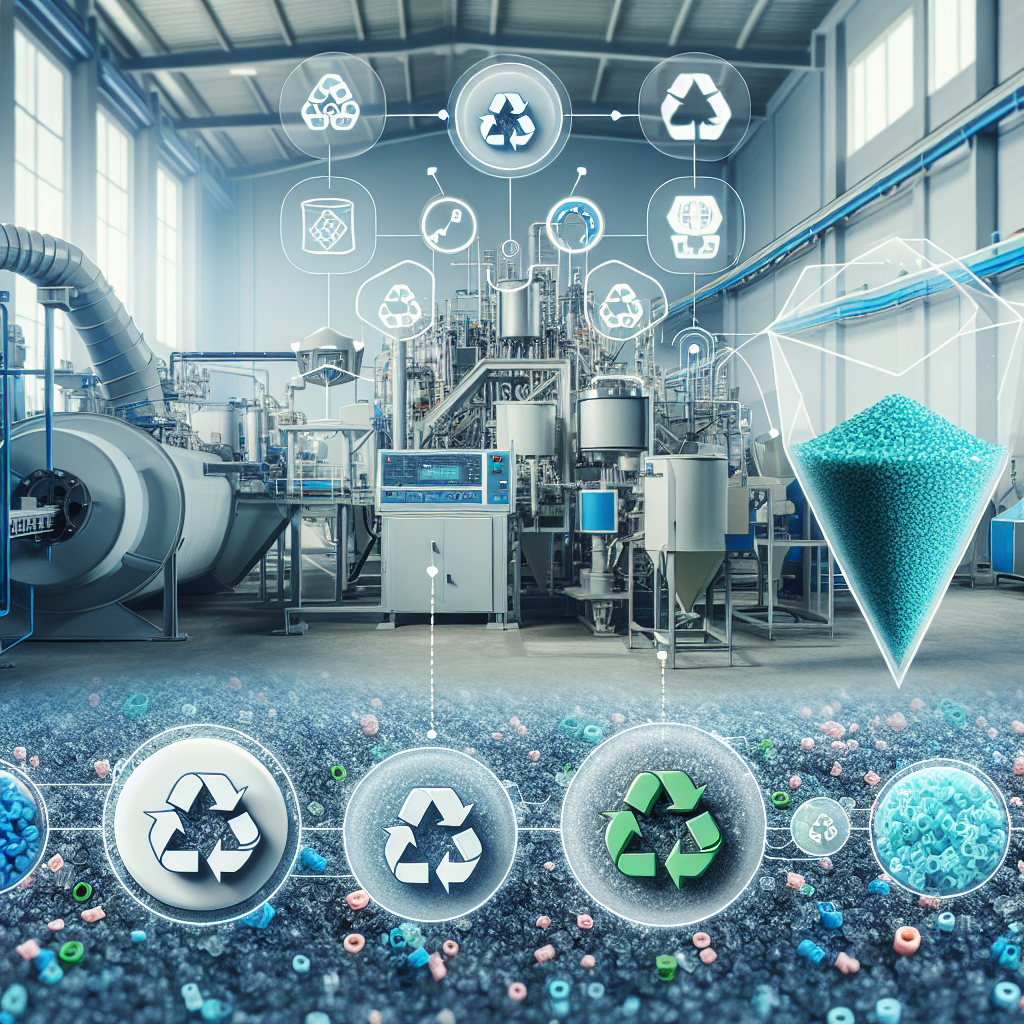
Plastic recycling transforms waste into reusable raw materials, specifically high-quality granules or dana. At AARN Polymers, we specialize in the production of premium dana from recycled materials, playing a pivotal role in this essential process. Our efforts extend beyond mere recycling; we are committed to advancing a sustainable future by championing the principles of a circular economy, which allow us to give discarded plastics a new life.
Why does this matter? The significance of effective plastic recycling cannot be overstated in today's world. As we face an ever-growing plastic waste crisis, our role in reducing environmental impact and conserving precious resources is crucial. By producing recycled granules, we respond to the industry's demand for sustainable materials, contributing to significant waste reduction while simultaneously fostering a greener economy.
At AARN Polymers, we have been transforming plastic waste into high-quality granules for years, leveraging cutting-edge technology and stringent quality standards. Our commitment to sustainability is embedded in our practices, ensuring that the dana we produce not only meets industry needs but also promotes environmental responsibility. We continuously seek innovative ways to improve our recycling processes, making us a leader in the field.
In this blog, you will learn:
- What plastic recycling entails and its importance in resource recovery.
- Insights into how high-quality granules are produced from recycled plastics.
- Best practices, challenges, and the sustainability impact of effective recycling initiatives.
Understanding Plastic Recycling: Importance and Resource Recovery
At AARN Polymers, we believe that understanding plastic recycling is essential for the broader pursuit of sustainability and resource recovery. Plastic recycling encompasses the processes by which post-consumer plastics are converted back into raw materials that can be utilized in manufacturing new products. This not only reduces the amount of waste sent to landfills but also conserving precious resources and minimizing environmental pollution.
- The recycling process helps divert plastic waste from landfills, reducing their environmental footprint.
- It significantly decreases the demand for virgin plastic production, saving energy and reducing greenhouse gas emissions.
- By enhancing material recovery, businesses can foster a sustainable circular economy.
In our experience, the importance of plastic recycling can’t be overstated. As concerns about plastic pollution grow, we see more companies seeking sustainable solutions that not only improve their ecological impact but also offer economic benefits. Recycling plastics saves costs associated with raw materials and reduces dependence on fossil fuels. It empowers businesses to show their commitment to sustainability, resonate with eco-conscious consumers, and meet increasing regulatory requirements.
Resource recovery through recycling means not just dealing with waste but valuing it as a source of economic activity. At AARN Polymers, we strive to transform what would be discarded into valuable raw materials, ensuring that we can meet the growing demand for recycled materials while supporting the environment. By investing in efficient recycling technologies, we've established a robust system that emphasizes quality control and sustainability.
Transforming Plastic Waste into High-Quality Granules
Transforming plastic waste into high-quality granules is a cornerstone of our operations at AARN Polymers. This process involves collecting, sorting, cleaning, and then processing various types of plastics—primarily polyethylene (PE) and polypropylene (PP)—to create granules suitable for manufacturing. These granules, known as recycled pellet products, serve as the backbone of numerous applications across industries.
- High-quality granules are produced through precise processes including shredding, washing, and extrusion.
- Advanced technologies allow us to remove contaminants, ensuring that the final products meet industry standards.
- We place a strong emphasis on traceability and documentation during the granule manufacturing process.
Through our specialized equipment and techniques, we can break down post-consumer plastics into small, manageable pieces, which are then melted and extruded into granules. This step not only ensures homogeneity in size but also boosts the physical properties of the end product. We keep a vigilant eye on quality assurance, employing rigorous testing methods to ensure that our granules meet the highest industry standards, both in performance and sustainability.
Our experience has shown that the beauty of transforming plastic waste lies in the potential for innovation and reapplication. Businesses can harness these high-quality granules to manufacture products ranging from packaging to automotive components, which enables a reduction of virgin material usage and a step towards a circular economy. At AARN Polymers, we pride ourselves on being at the forefront of this transformation, creating high-quality materials that are both sustainable and economically viable.
AARN Polymers' Expertise in Producing Premium Dana from Recycled Materials
At AARN Polymers, producing premium Dana from recycled materials is one of our key specializations. Dana refers to a type of plastic resin that can be efficiently processed into various manufacturing applications. By focusing on the quality of our recycled inputs, we ensure that our Dana can compete with virgin materials in terms of performance and durability.
- Our production process begins with the careful selection of high-grade post-consumer plastics.
- We utilize cutting-edge sorting and processing technologies to maximize recovery and minimize contamination.
- Each batch of Dana is subjected to stringent quality controls to meet performance metrics.
With extensive hands-on experience, we have refined our process to maintain consistency and quality in our Dana production. This includes using advanced technologies for washing and grinding plastics, which further enhances the purity of the recycled materials before they are transformed into Dana. Our commitment to quality allows us to produce Dana that can be used interchangeably with virgin materials, providing manufacturers with an eco-friendly solution without compromising on performance.
Moreover, at AARN Polymers, we constantly engage with our customers to determine their specific requirements. Understanding the needs of different industries—from packaging to automotive—allows us to tailor our Dana products accordingly. This customer-centric approach ensures that we not only meet but exceed expectations, thereby reinforcing our reputation as industry leaders in recycling and sustainable plastic solutions.
Best Practices in Sustainable Plastic Recycling Initiatives
At AARN Polymers, we've always implemented best practices in our sustainable plastic recycling initiatives to pave the way for efficient resource management. Emphasizing the importance of sustainability, we focus on reducing waste and maximizing resource recovery throughout our operations.
- We emphasize the need for public awareness and education on the benefits of recycling and proper disposal practices.
- Establishing partnerships with local businesses helps us improve collection and processing efficiency.
- Continuous monitoring and adaptability to new technologies ensure our practices remain at the forefront of sustainability.
One of the most effective best practices we've adopted is fostering collaboration with stakeholders across the plastic supply chain. By partnering with municipalities and organizations, we can increase our reach for collecting materials, ensuring a more sustainable and effective recycling framework. This collaboration also helps educate consumers about the importance of recycling and the impact it has on the circular economy.
Our success in sustainable initiatives also stems from our commitment to innovation. We prioritize research and development, staying updated on emerging recycling technologies and processes. Incorporating this knowledge allows us to adapt our operations to create efficiencies and improve the overall quality of our recycled materials. With our holistic approach, we focus on driving sustainability while maintaining profitability, which has yielded positive outcomes not just for AARN Polymers, but also for the broader community.
Challenges in Plastic Waste Management and Recycling Solutions
At AARN Polymers, we encounter numerous challenges in plastic waste management, all of which present opportunities for innovative recycling solutions. The increasing volume of plastic waste, coupled with its complex nature, requires a multifaceted approach to overcome the obstacles encountered in the recycling process.
- Contamination of plastic waste remains a significant challenge, as it complicates sorting and processing.
- The fluctuating market for recycled materials can impact the feasibility of recycling initiatives.
- Variability in plastic types and compositions makes uniform processing difficult.
In addressing the issue of contamination, we have invested in advanced sorting technologies to ensure that plastics are properly categorized and cleaned before being processed. This has significantly improved our recycling rates and enabled us to deliver higher quality granules. Furthermore, we’ve implemented accountability measures that provide accurate data on all handled materials, ensuring transparency in our operations.
The volatility of the recycled material market often presents economic challenges. To mitigate this, we've diversified our offerings and created more adaptable business models. By continuously analyzing market trends, we tailor our supply capabilities to ensure stable output and quality even during fluctuations in demand. At AARN Polymers, we recognize that adaptability and innovation are essential in addressing the evolving challenges within plastic waste management.
Creating a Circular Economy: The Role of Recycled Granules
Creating a circular economy is pivotal to our vision at AARN Polymers, where recycled granules play an essential role in closing the loop on plastic production and consumption. The concept of a circular economy emphasizes recycling and reuse, encouraging companies to rethink their production processes to minimize waste and energy consumption.
- Recycled granules serve as a sustainable substitute for virgin plastics, significantly lowering carbon footprints.
- Utilizing closed-loop systems in manufacturing allows companies to reuse their plastic waste instead of discarding it.
- Collaboration among stakeholders in the supply chain enhances the effectiveness of the circular economy.
By producing high-quality recycled granules, we directly contribute to the circular economy model, enabling manufacturers to innovate in their product offerings while prioritizing sustainability. Our granules are made from recycled plastics, which helps divert waste from landfills and reduces reliance on raw fossil fuels. This shift not only lowers production costs but also aligns with increasing consumer demands for sustainable practices and materials.
We believe that fostering partnerships across the value chain is essential for creating a functional circular economy. Companies that collaborate can share resources, efficiencies, and innovations, allowing for the establishment of closed-loop systems where materials are continuously reused. At AARN Polymers, we are proud to be a part of this transformative approach, proving that sustainability can go hand in hand with economic viability.
Advancing Sustainability: AARN Polymers’ Commitment to Environmental Responsibility
At AARN Polymers, advancing sustainability is at the core of our mission. We are dedicated to reducing our environmental footprint and promoting responsible practices throughout the plastic recycling industry. Our commitment is reflected in our continuous pursuit of innovative solutions and eco-friendly methods.
- Our production facilities are designed to minimize waste and energy consumption.
- We engage in ongoing training and education for employees, ensuring a culture of sustainability.
- Rigorous compliance with environmental regulations reinforces our dedication to responsible practices.
From investing in state-of-the-art technology that enhances our recycling capabilities to implementing energy-efficient processes, we've taken decisive steps to demonstrate our commitment to environmental responsibility. Each granule we produce is a step towards a more sustainable future, emphasizing a reduction in overall plastic consumption while meeting the demands of various industries.
Furthermore, we recognize that sustainability extends beyond our operations. At AARN Polymers, we actively participate in community initiatives aimed at raising awareness about plastic waste reduction and the benefits of recycling. By educating consumers and advocating for responsible waste management practices, we are working to create a culture that prioritizes environmental preservation and encourages effective recycling programs.
In summary, our commitment to advancing sustainability is unwavering. At AARN Polymers, we set high standards not only for the quality of our recycled products but also for the broader impact of our actions on the environment. We are proud to lead by example, championing sustainable practices and innovative solutions that contribute to a healthier planet.
Conclusion
At AARN Polymers, we understand the dynamic nature of the plastic market in India, particularly concerning the trends surrounding LDPE, HDPE, and PP as we approach 2026. The analysis of plastic Dana price trends is crucial not only for manufacturers and suppliers but also for fostering a deeper commitment to sustainability and responsible material sourcing.
Key Takeaways:
- The price fluctuations of LDPE, HDPE, and PP play a critical role in the overall cost structure of plastic manufacturing.
- Understanding market trends can help businesses make informed decisions for sustainable practices.
- A shift towards recycling and circular economy practices is essential for minimizing environmental impact.
Looking forward, we see great potential for advancing plastic recycling and promoting a circular economy in India. As we adapt to these trends, the growth in the recycling sector will support our sustainability goals and pave the way for innovative solutions that can transform the industry for future generations.
We encourage you to partner with AARN Polymers to stay ahead of market trends and contribute to a more sustainable future. Whether you're looking for quality recycled granules or seeking advice on sustainable sourcing, we are here to assist you. Contact us today to explore how we can work together towards a greener tomorrow.
Q: What factors are currently influencing plastic dana prices in India for 2026?
A: As experts at AARN Polymers, we can tell you that factors such as raw material availability, global oil prices, domestic demand, and changes in recycling regulations significantly impact the pricing of LDPE, HDPE, and PP plastic dana. Monitoring these elements will provide better insights into future trends.
Q: How can manufacturers effectively forecast plastic dana prices for 2026?
A: To forecast plastic dana prices, I recommend analyzing historical data, keeping an eye on industry news, and following market reports. Collaborating with suppliers and using predictive analytics tools can also provide valuable insights into price trends for LDPE, HDPE, and PP in the coming years.
Q: What are the quality standards we can expect for LDPE, HDPE, and PP plastic dana in the near future?
A: AARN Polymers prioritizes quality and consistency for all our plastic dana. As we move towards 2026, we anticipate stricter quality standards, especially in recycled plastics. Manufacturers will need to ensure that their suppliers adhere to ISO standards and provide transparency in quality testing.
Q: How does investing in recycled plastic dana influence sustainability in the industry?
A: By investing in recycled plastic dana, manufacturers can notably reduce their carbon footprint. At AARN Polymers, we estimate that using recycled LDPE, HDPE, and PP can save over 50% of the energy and resources required to produce virgin plastics, contributing significantly to sustainability goals.
Q: What should procurement teams look for when sourcing plastic dana suppliers in 2026?
A: When sourcing suppliers for plastic dana, I recommend procurement teams focus on quality certifications, supply chain transparency, and sustainability practices. Working with suppliers like AARN Polymers, who have a strong commitment to responsible sourcing and recycling, can ensure you get reliable and eco-friendly materials for your production needs.