Common Defects in Recycled Plastic Granules: How to Spot Low-Quality Dana
By AARN Polymers•Quality Control•
recycled plastic granules defectsdana quality problemsblack specs plastic granulesmoisture in plastic pelletsplastic dana odourmelt flow index testingplastic granule contaminationlow quality danaplastic pellet inspectiondana batch testing
Introduction
Common defects in recycled plastic granules include black specs, trapped moisture, odour, and unstable melt flow. These defects come from contaminated feed, poor washing, overheating during extrusion, or careless handling after pelletising.
Because dana is sold by weight and judged on performance, a defective batch can cost a converter far more than the material price: blocked dies, foamed film, rejected parts, and lost production time.
This guide explains the most common defects in recycled plastic granules, what causes them, and how to inspect a batch before it reaches your machine.
Defects in recycled plastic granules are not cosmetic problems — they translate directly into production losses. One contaminated batch can block a screen pack, foam a film line, or fail a customer's quality audit.
Every defect has a root cause somewhere in the recycling chain: dirty or mixed feedstock, incomplete washing, poor drying, overheating during extrusion, or careless handling after pelletising. When you understand the cause, you know whether the defect is a one-off or a warning that the supplier's process is unreliable.
The cost of a defective batch is always higher than the saving from buying cheap dana:
- **Scrap and rework**: foamed film, weak parts, and off-colour products are rejected.
- **Downtime**: blocked dies and screen packs stop the line.
- **Customer claims**: one bad delivery can cost you a repeat order.
Black Specs and Contamination
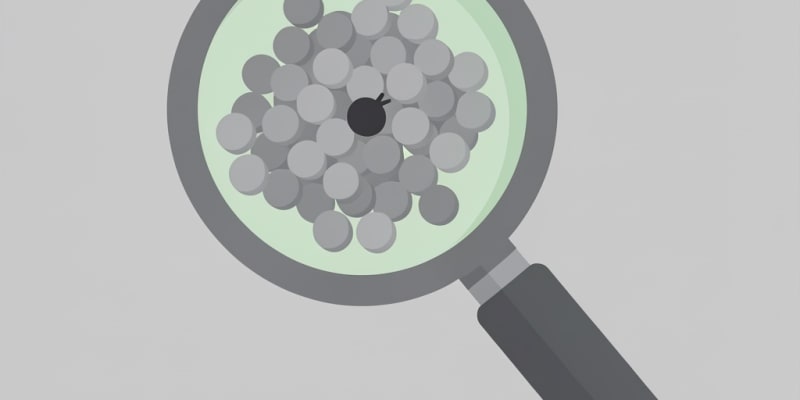
Black specs are dark particles visible in the granules or in the finished part, and they are caused by burnt polymer, carbonised additives, or foreign contamination that survived washing and filtration. They are the most common visible defect in recycled dana.
**Causes**
- **Overheated melt**: hot spots in the extruder degrade the polymer into black carbonised specks.
- **Poor washing**: dirt, ink, sand, metal fines, and labels stay in the feed.
- **Mixed feed**: rubber, foam, or other polymers degrade at different temperatures.
- **Weak filtration**: an undersized or badly maintained screen pack lets particles through.
**Effects**: black specs create stress points that weaken film and moulded parts, spoil appearance, and can tear thin film at the die.
**How to check**: tip a handful onto a white sheet and count specs; examine the cut face of the pellets; run a melt plaque and look for dark inclusions. Grades like next-to-virgin LDPE dana should show near-zero contamination.
Moisture and Foaming
Moisture in recycled granules shows up as foaming, splay marks, and bubbles during processing, because water flashes to steam inside the hot melt. Polyolefin dana should be dried to below roughly 0.1–0.2 percent moisture before film extrusion.
**Causes**
- Inadequate drying after the washing line.
- Condensation from humid storage — a real risk during the Indian monsoon.
- Bags stored on a cold floor, where warm air condenses on the pellets.
- No venting on the extruder to release steam.
**Effects**: splay and silver streaks on film, foamed edges on sheet, bubbles in thick parts, popping at the die, and reduced mechanical strength. Hygroscopic resins such as PET and nylon are far more sensitive and need desiccant drying before processing.
**How to check**: feel the pellets — damp or sticky granules are a warning; look for condensation inside the bag; use a moisture analyser before the run if you process demanding applications.
Odour Problems
A bad smell in recycled granules usually means the feed contained organic residues, printing inks, or degraded polymer, and the reprocessing line did not remove them. Odour carries straight into finished products and can rule out food and packaging applications.
**Causes**
- Organic residues: milk and food film, agro film, adhesive labels.
- Printing inks and coatings driven off at high temperature.
- Overheated polymer, which smells burnt or acrid.
- PVC contamination, which releases a sharp, chlorine-like odour.
**Effects**: rejected parts, customer complaints, and failed odour checks. Under the FSSAI framework, food-contact applications demand material that is clean and odour-free — see our guide to [recycled plastic in food contact](https://aarnpolymers.com/blogs/can-recycled-plastic-be-food-grade-food-contact-regulations).
**How to check**: smell the granules from a freshly opened bag, and smell the finished part after processing. Odour is subjective, so compare against a known-good reference grade.
Inconsistent Melt Flow and Density
Inconsistent melt flow index (MFI) and density are the signature of mixed-resin recycling. When granules in a single bag vary in MFI or density, your parts will vary in dimensions, strength, and shrinkage.
**Causes**
- Blending LDPE, LLDPE, and HDPE scrap in one stream.
- Mixing different grades of the same polymer.
- Poor homogenisation during compounding.
- Fillers and additives such as chalk or talc that shift density and flow.
**Effects**: warpage and dimensional drift, weak parts, inconsistent colour, and machine settings that never stay stable.
**How to check**: measure MFI on samples from several bags of the same batch — a narrow spread means consistent material. Density can be checked by water displacement. Our guide to [testing recycled plastic granules](https://aarnpolymers.com/blogs/how-to-test-recycled-plastic-granules-mfi-density-quality) covers both methods in detail.
How to Inspect a Dana Batch
You can catch most dana defects with a simple five-point inspection before you unload the truck. Check appearance, moisture, odour, melt behaviour, and documentation.
1. **Visual check**: colour uniformity, black specs, dusty fines, and misshapen pellets (elongated tails or broken granules).
2. **Hand-feel**: damp, sticky, or waxy pellets suggest moisture or additive problems.
3. **Smell**: burnt, chemical, or organic odours are rejection signals.
4. **Quick melt test**: melt a small sample on a hot plate — look for foaming, smoking, splay, and colour shift.
5. **Documentation**: batch number, resin code, and MFI, density, and contamination test reports.
For a deeper look at what separates premium from ordinary material, read our [expert guide to identifying quality plastic dana](https://aarnpolymers.com/blogs/identify-quality-plastic-dana-with-our-expert-guide), or buy from a supplier that publishes batch test data, like AARN Polymers, whose LDPE, HDPE, and PP dana is tested before dispatch. Buying on data, not on price alone, is the cheapest insurance a converter can buy.
Conclusion
Defects in recycled plastic granules are preventable and detectable. Black specs, moisture, odour, and unstable melt flow all trace back to feedstock quality, process control, or handling — and all of them can be caught with a simple inspection before the batch reaches your machine.
A supplier that segregates waste by resin, controls its process, and publishes test data is your first line of defence. Check the material, check the reports, and buy dana you can verify.
Q: What causes black specs in recycled plastic granules?
A: Black specs come from burnt or carbonised polymer, dirt, ink, metal fines, or degraded additives that survive washing and filtration. They weaken parts and spoil appearance.
Q: Why does my dana foam during processing?
A: Foaming is usually trapped moisture flashing to steam in the melt. Dry polyolefin dana to below roughly 0.1–0.2 percent moisture and use a vented extruder for high-moisture feed.
Q: Why do recycled granules sometimes smell bad?
A: Odour comes from organic residues, printing inks, adhesives, degraded polymer, or PVC contamination in the feed. Good washing and correct reprocessing temperatures reduce it.
Q: How do I test the melt flow consistency of a dana batch?
A: Measure the melt flow index of samples from several bags of the same batch. A wide spread between samples signals mixed resins or poor homogenisation.
Q: What should I check before accepting a dana delivery?
A: Check colour and black specs, moisture and condensation, odour, pellet shape, and request the MFI, density, and contamination test reports for the batch.