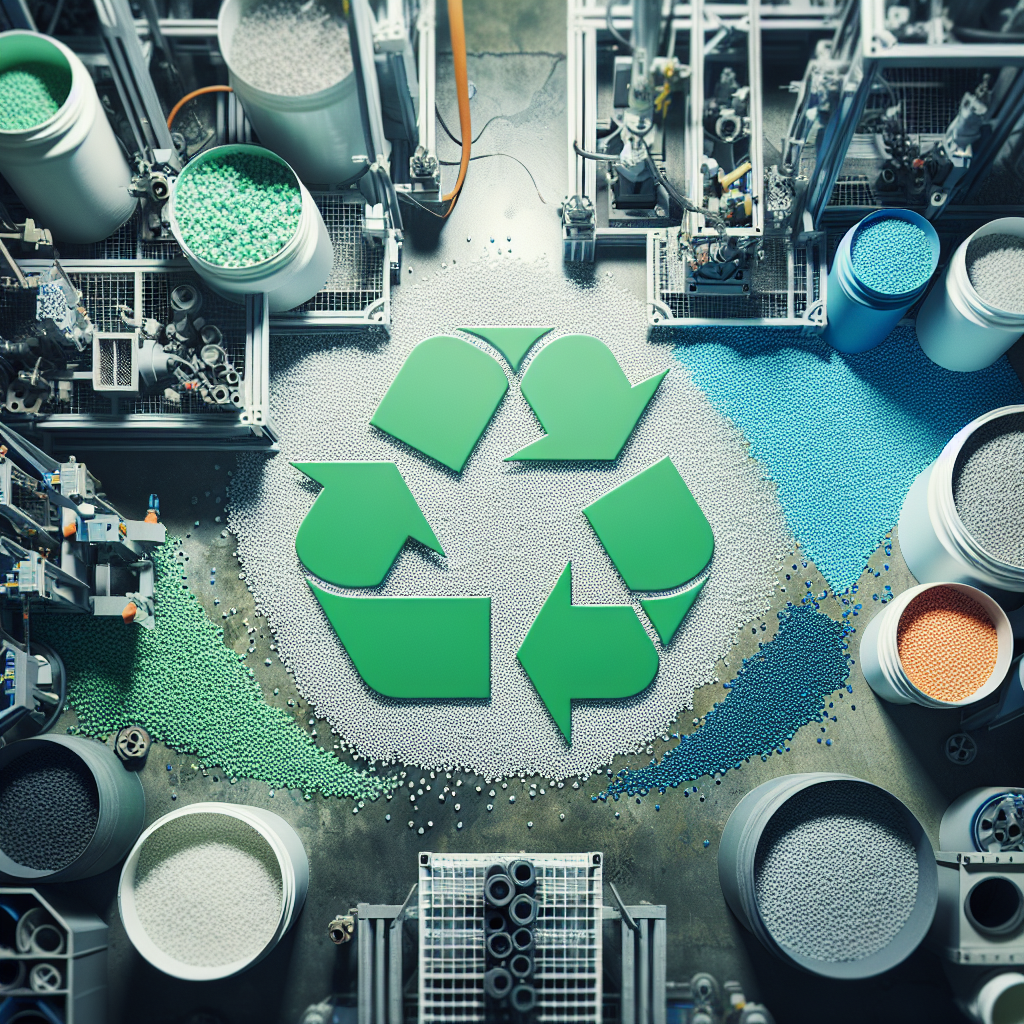
Plastic recycling is the process of transforming waste materials back into valuable resources, essential for reducing environmental impact. At AARN Polymers, we focus on converting discarded plastics into high-quality dana granules, serving as essential raw materials for various manufacturing sectors. By prioritizing recycling, we contribute significantly to sustainability and promote a greener economy, proving that waste can be a resource rather than a burden.
The significance of plastic recycling cannot be overstated. It plays a vital role in the circular economy, where the goal is to minimize waste through continuous repurposing and reusing materials. This not only aids in reducing landfill waste but also conserves natural resources and diminishes greenhouse gas emissions associated with production processes. As industries increasingly demand sustainable materials, the importance of high-quality recycled granules, or dana, becomes more pronounced.
At AARN Polymers, we have been at the forefront of plastic recycling for years, transforming waste into premium-grade dana granules that meet rigorous quality standards. Our commitment to sustainable practices ensures that we not only contribute to a cleaner environment but also support industry demands for recycled materials. With cutting-edge technology and innovative processes, we lead the way in enhancing the quality of recycled products while fostering responsible waste management practices.
In this comprehensive guide to plastic recycling, you will learn about:
- The fundamentals of plastic recycling and the dana production process.
- Step-by-step procedures to effectively recycle plastic waste.
- The challenges and sustainability impacts associated with plastic recycling efforts.
Understanding Plastic Recycling: Transforming Waste into Valuable Resources
At AARN Polymers, we view plastic recycling as a transformative process that turns waste into valuable resources, contributing significantly to our circular economy. The concept of recycling plastic involves collecting, sorting, and converting plastic waste into reusable materials that can replace virgin plastics in manufacturing. This process not only helps reduce the waste sent to landfills but also conserves natural resources and minimizes greenhouse gas emissions.
- The recycling process begins with the collection of plastic waste, often sourced from manufacturing processes or consumer products.
- Sorting is a crucial step to ensure that different types of plastics are separated, as each type has unique properties and recycling requirements.
- Our unique perspective at AARN Polymers emphasizes the importance of maintaining high-quality standards during the recycling process to produce premium-grade materials.
Real-world observations from our operations have shown that effective plastic recycling can lead to significant resource recovery. We’ve found that community awareness and participation in recycling programs greatly enhance the volume and quality of recyclables collected. Additionally, innovative sorting technologies can increase the efficiency and accuracy of identifying recyclable plastics, which is key to any effective recycling strategy. At AARN Polymers, we integrate these practices to continuously improve the quality of our recycled products.
The Dana Granules Production Process: Premium Quality from Plastic Waste
The production of Dana granules from plastic waste is a pivotal aspect of our operations at AARN Polymers. These granules are made through a meticulous process that transforms shredded plastic into high-quality pellets suitable for various industrial applications. This process encompasses several key phases, including shredding, washing, extrusion, and pelletizing.
- The first step in producing Dana granules involves shredding plastic waste into smaller pieces, allowing for more effective processing.
- After shredding, we meticulously wash the plastic to remove contaminants such as labels, dirt, and residual materials that could compromise the quality of the final product.
- Finally, extrusion and pelletizing convert the cleaned plastic into uniform granules, ensuring consistency in size and quality.
In our experience, this process not only maximizes the yield from recycled materials but also aligns with sustainability practices. The end product—high-quality Dana granules—can be used by manufacturers as a direct replacement for virgin plastics, thus closing the loop in the plastic lifecycle. At AARN Polymers, we remain committed to utilizing advanced technologies that enhance both the efficiency and quality of our Dana granules.
Step-by-Step Guide to Effectively Recycling Plastic: Best Practices
To achieve effective plastic recycling, it’s essential to adopt best practices that facilitate the efficient processing of plastic waste. At AARN Polymers, we’ve developed a robust framework that businesses and individuals can follow to improve their recycling efforts.
1. **Collect and Sort**: Ensure that plastics are collected properly, and sort them based on their resin types (e.g., PET, HDPE, PVC). Proper sorting is crucial; it prevents contamination and increases the recyclability of materials.
2. **Clean and Prepare**: Before sending plastic waste to a recycling facility, clean the items to remove any food residues or non-plastic components. In our operations, we emphasize the removal of contaminants, as clean materials yield better quality output.
3. **Choose the Right Facility**: Work with a reputable recycling facility that has a proven track record in producing high-quality recycled materials. At AARN Polymers, we pride ourselves on adhering to stringent industry standards for quality and sustainability.
By following these steps, businesses can not only enhance the efficiency of their recycling programs but also contribute to a more circular economy. We’ve observed that organizations that integrate comprehensive recycling programs effectively reduce their environmental footprint while also fostering a culture of sustainability. The benefits extend beyond compliance; they can also lead to cost savings and improved brand reputation.
Challenges in Plastic Recycling: Overcoming Barriers to Sustainability
While plastic recycling has the potential to significantly reduce waste and promote sustainability, various challenges can hinder its effectiveness. At AARN Polymers, we’ve encountered several common barriers and developed strategies to overcome them.
- **Contamination**: One of the main challenges is the contamination of recyclable materials, which can result from improper disposal practices. Educating consumers about proper recycling protocols is critical.
- **Market Demand for Recycled Plastics**: Fluctuations in market demand for recycled materials can affect the profitability of recycling programs. Finding sustainable markets for recycled products is essential for long-term viability.
- **Technology Gaps**: Many facilities lack the state-of-the-art equipment necessary for efficient sorting and processing of plastic waste. Investing in advanced technologies can significantly improve recycling outcomes.
In our observations, collaboration across the supply chain—between producers, recyclers, and consumers—plays a critical role in overcoming these challenges. AARN Polymers has initiated partnerships to increase awareness about recycling best practices and to advocate for policies that support the recycling industry. By addressing these barriers through innovation and collaboration, we can work towards a truly circular economy.
AARN Polymers' Expertise in Plastic Recycling: Leading the Way in Sustainable Solutions
As leaders in the plastic recycling industry, AARN Polymers leverages our expertise to provide sustainable solutions that align with the principles of the circular economy. Our comprehensive approach involves both cutting-edge technology and a commitment to sustainability, ensuring that we deliver high-quality recycled products.
- Our team comprises experts who bring extensive knowledge in recycling processes, quality control, and market trends, allowing us to navigate the complexities of the recycling landscape effectively.
- We pride ourselves on our ability to produce top-grade recycled materials that meet or exceed industry standards, ensuring they are viable alternatives to virgin plastics.
- Our commitment to continuous improvement drives us to explore innovative technologies that enhance our recycling efficacy and reduce environmental impact.
At AARN Polymers, we believe that our role extends beyond mere recycling; we are dedicated to fostering a sustainable future by advocating for responsible plastic use and enhancing recycling practices. By actively engaging with businesses and communities, we aim to inspire a collective commitment to sustainable solutions that can transform the plastic industry.
The Impact of Plastic Recycling on the Circular Economy: A Greener Future
Plastic recycling plays a pivotal role in the circular economy, a model that seeks to eliminate waste and encourage the continual use of resources. At AARN Polymers, we are dedicated to illustrating how plastic recycling supports a more sustainable future by conserving resources, reducing pollution, and creating economic opportunities.
- Recycling plastics reduces the reliance on virgin materials, which in turn minimizes habitat destruction, water usage, and carbon emissions associated with plastic production.
- By creating high-quality recycled materials, we contribute to local economies, providing jobs and supporting businesses that prioritize sustainability.
- Our operations exemplify how effective recycling strategies can lead to ecological and economic benefits, reinforcing the intertwined nature of environmental health and economic viability.
From our perspective, implementing robust plastic recycling programs is crucial in the journey toward a greener future. We’ve observed a growing recognition of the importance of sustainable practices within industries, and we are proud to contribute to this movement. The future of plastic relies on our collective efforts to embrace recycling as a fundamental strategy for sustainable development.
Innovative Technologies in Plastic Recycling: Enhancing Quality and Efficiency
At AARN Polymers, we understand that innovation is key to advancing plastic recycling. Leveraging new technologies enhances our processing capabilities and increases the quality of our recycled products. The application of these innovative methods allows us to improve yield, reduce contamination, and maximize the lifecycle of plastic materials.
- **Advanced Sorting Technologies**: Utilizing AI-driven sorting systems enables us to accurately identify and separate diverse types of plastics with minimal human intervention, increasing processing efficiency.
- **Closed-loop Systems**: Implementing closed-loop recycling systems allows us to process plastic waste and produce materials that can be reintegrated into production cycles, significantly reducing waste.
- **Chemical Recycling Methods**: Exploring chemical recycling technologies allows us to break down plastics into their molecular components, creating new opportunities for reusing materials that are typically non-recyclable through traditional mechanical processes.
Our experience has shown that integrating these technologies not only increases our operational efficiency but also enhances the overall quality of the resultant recycled products. At AARN Polymers, we are committed to investing in continuous innovation, with a focus on sustainability and producing materials that meet high industry standards. By adopting pioneering technologies in plastic recycling, we are helping to pave the way for a more resilient and sustainable future in the industry.
Conclusion
At AARN Polymers, we believe that selecting the best plastic granules for film manufacturing is crucial not only for enhancing product quality but also for driving sustainability in the industry. As we discussed, the right granules can significantly impact the performance of films while contributing to eco-friendly practices, underscoring the importance of sustainable sourcing in our shared goal of reducing plastic waste.
Key Takeaways:
- High-quality plastic granules improve film durability and performance.
- Sustainable sourcing of materials plays a key role in reducing environmental impact.
- Embracing recycled granules is essential for advancing a circular economy.
Looking ahead, the future of plastic recycling and the growth of the circular economy look promising. Innovations in polymer technology and increased awareness about sustainability will drive us toward more eco-conscious manufacturing practices. We are excited about the potential to transform the film industry into a model of sustainability, creating a positive impact on our environment.
We invite you to partner with AARN Polymers in this journey towards sustainable film manufacturing. Whether you’re interested in high-quality recycled granules or exploring innovative sourcing options, contact us today. Together, we can pave the way for a greener future in the plastic industry.
Q: What types of plastic granules are best for film manufacturing in India?
A: At AARN Polymers, we recommend using LDPE and HDPE granules for film manufacturing due to their flexibility and strength. These materials offer excellent clarity and durability, making them ideal for various applications in the packaging industry.
Q: How do I choose the right recycled granules for my film production process?
A: When selecting recycled granules for film production, ensure that they comply with industry standards for melt flow and tensile strength. At AARN Polymers, we offer recycled granules specifically engineered for film applications, and I suggest obtaining samples to test their compatibility with your machinery.
Q: What quality standards should I consider for plastic granules used in films?
A: At AARN Polymers, we adhere to stringent quality standards, including the ISI certification for our recycled granules. You should look for granules with consistent melt flow rates and color stability, which are critical for achieving high-quality films.
Q: How does using recycled plastic granules benefit sustainability in film manufacturing?
A: Incorporating recycled plastic granules significantly reduces plastic waste and lowers carbon emissions compared to virgin materials. At AARN Polymers, our commitment to sustainability has helped our clients reduce their environmental impact while maintaining the required quality for film applications.
Q: Can AARN Polymers assist in sourcing the best plastic granules for my film manufacturing needs?
A: Absolutely! At AARN Polymers, we specialize in providing a range of high-quality granules tailored for film manufacturing. Our team can work closely with your procurement department to ensure we meet your specific requirements, both in terms of volume and material specifications.