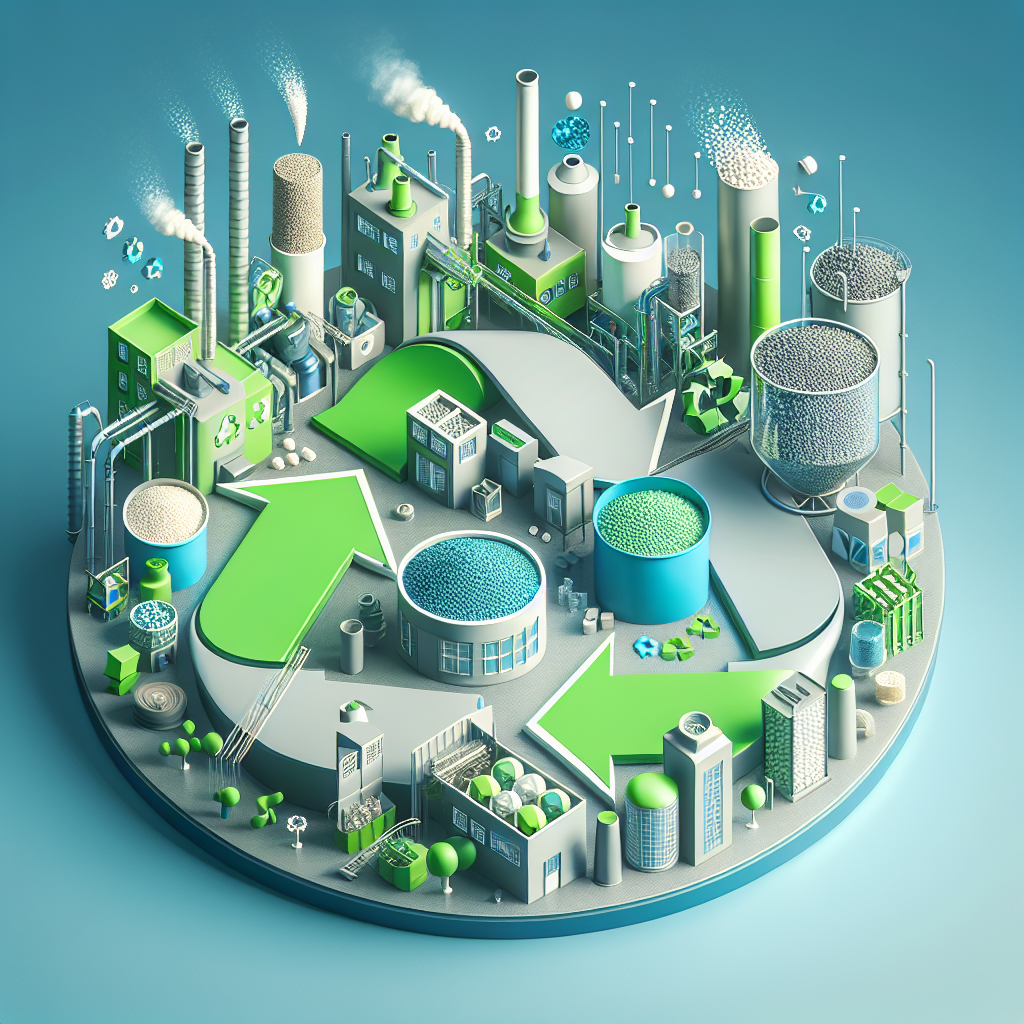
Plastic recycling transforms waste plastics into reusable materials, specifically high-quality dana, also known as granules, which are essential for diverse applications across industries. By converting discarded plastics into raw materials for new products, we play a crucial role in creating a more sustainable and responsible future. At AARN Polymers, we are at the forefront of this transformation, pioneering sustainable plastic recycling solutions that contribute to a circular economy.
Understanding plastic recycling is vital not only for reducing environmental impact but also for promoting economic sustainability. The process involves the recycling of various types of plastics, such as PET, HDPE, PVC, LDPE, PP, and PS, which collectively offer numerous benefits, including waste reduction and resource conservation. The demand for recycled materials continues to rise as industries seek ways to reduce their reliance on virgin resources, making this process more significant than ever.
At AARN Polymers, we have been transforming plastic waste into high-quality granules for years, utilizing state-of-the-art technology and innovative methods to ensure that our products meet the highest industry standards. Our commitment to quality and sustainability drives us to continuously improve our recycling processes, address contamination challenges, and engage with communities to promote effective recycling practices.
In this blog, you will learn about the intricate plastic recycling processes that lead to high-quality dana granules, including:
- Key concepts in plastic recycling and its significance.
- The step-by-step approach we employ at AARN Polymers for effective recycling.
- Best practices and challenges in the industry, and our commitment to overcoming them.
Join me as we delve deeper into how AARN Polymers contributes to a circular economy through our innovative recycling practices.
Understanding the Importance of Plastic Recycling for a Sustainable Future
At AARN Polymers, we recognize that plastic recycling is not just a trend but a critical necessity for achieving a sustainable future. Plastic waste has become one of the most pressing environmental challenges of our time, as it often ends up in landfills and oceans, causing harm to wildlife and ecosystems. The key to mitigating this crisis lies in understanding the importance of recycling, where we can transform discarded plastics into valuable resources.
Recycling plastic is essential for several reasons:
- It significantly reduces the volume of waste that ends up in landfills, minimizing space usage and prolonging the lifespan of these sites.
- It conserves natural resources by reducing the demand for virgin materials, which are often extracted through energy-intensive processes.
- It promotes a circular economy, where materials are reused and repurposed rather than disposed of.
From our experience at AARN Polymers, we have seen firsthand how effective recycling practices not only benefit the environment but also offer economic advantages. By converting plastics that may otherwise be considered waste into high-quality granules, we are able to supply manufacturers with the necessary materials for creating new products. In this way, recycling becomes a critical link in the supply chain, driving both sustainability and economic viability.
In conclusion, the importance of plastic recycling rests not only in environmental preservation but also in fostering innovation and economic growth. At AARN Polymers, we strive to educate businesses and communities on the potential that lies within plastic waste, ultimately leading to a more sustainable future for all.
Transforming Plastic Waste into High-Quality Granules: AARN Polymers' Expertise
At AARN Polymers, we specialize in transforming plastic waste into high-quality granules, a process that exemplifies our commitment to sustainability and innovation in plastic recycling. Our approach integrates advanced technologies and meticulous quality control to ensure that the granules produced meet industry standards for various applications.
To achieve this transformation, we use the following key techniques:
- Collection and sorting of plastics based on type and quality, ensuring that only suitable materials enter the recycling process.
- Granulation, where plastic waste is shredded, melted, and formed into small granules or pellets that can be easily transported and used in manufacturing.
- Quality screening, where granules undergo rigorous testing to ensure they meet the required specifications for reuse.
Through our extensive expertise, we have developed a robust process that ensures the final products are not only sustainable but also of the highest quality. We believe that effective recycling is rooted in precise methodology and strict adherence to quality standards, which have become the hallmark of our operations at AARN Polymers. By continuously investing in technology and training, we remain at the forefront of transforming plastic waste into a valuable resource that supports various sectors while contributing to environmental conservation.
In summary, AARN Polymers' expertise in converting plastic waste into high-quality granules allows businesses to source sustainable materials confidently. Our commitment to the highest standards of quality helps to drive the circular economy, ensuring that plastic waste is not seen as a burden but as a resource waiting to be utilized.
The Step-by-Step Process of Plastic Recycling: From Waste to Dana
Understanding the step-by-step process of plastic recycling is crucial for businesses seeking to incorporate sustainable practices into their operations. At AARN Polymers, we have honed this process to ensure efficiency and quality, progressing from waste collection to the production of high-quality dana ready for repurposing.
The recycling process involves several critical steps:
1. **Collection and Sorting:** We begin by gathering plastic waste from various sources, ensuring it is sorted into different categories, including PET, HDPE, and PP. This initial step is vital for optimizing the subsequent processing stages.
2. **Cleaning and Shredding:** Once sorted, the plastics undergo thorough cleaning to remove contaminants, such as food residue or labels, followed by shredding into smaller pieces that facilitate melting and further processing.
3. **Extrusion and Pelletizing:** The cleaned plastic chips are melted down and formed into granules through the extrusion process. At this stage, we take special care to control temperature and pressure to maintain the integrity of the plastic, producing high-quality dana.
In our experience, effective recycling requires careful attention to detail at each of these steps to minimize waste and maximize quality. We utilize state-of-the-art equipment and advanced techniques to enable us to produce premium granules that can be used across various industries, such as automotive, construction, and consumer goods.
By recreating a usable end product from discarded materials, we not only contribute to a significant reduction in environmental impact but also make it economically viable for businesses to engage in sustainable practices. At AARN Polymers, each step of our process is designed to highlight the potential of recycled plastics, demonstrating that they can serve as a functional replacement for virgin materials in a circular economy.
Exploring Key Benefits of Recycling: Reducing Waste and Conserving Resources
Recycling offers a myriad of benefits that go beyond mere waste reduction; it plays a pivotal role in conserving our planet's resources. At AARN Polymers, we emphasize to businesses and communities the importance of understanding these benefits and how they contribute to a sustainable future.
The key benefits of recycling include:
- **Waste Reduction:** By transforming plastics that would otherwise contribute to landfill overflow, recycling reduces the total waste burden on society.
- **Resource Conservation:** Recycling substantially cuts the need for virgin materials, thereby preserving natural resources such as oil, water, and energy that are typically consumed during production.
- **Economic Advantages:** Recycling contributes to job creation in the recycling industry, often leading to new business opportunities in sustainable materials.
We’ve observed that businesses that prioritize recycling not only positively impact the environment but also improve their brand image. Consumers increasingly seek out companies that demonstrate a commitment to sustainability, and engaging in plastic recycling can help businesses align with these values.
In addressing the benefits of recycling, it is essential to highlight that effective recycling practices can foster innovation in product design and manufacturing. By incorporating recycled materials, companies can contribute to the development of new, sustainable products while adhering to quality standards expected in the marketplace. At AARN Polymers, we believe that promoting the advantages of recycling is crucial for inspiring wider acceptance and implementation, paving the way for a future where waste is seen not as a problem but as a resource waiting to be reclaimed.
Creating a Circular Economy through Effective Recycling Practices
At AARN Polymers, we understand that creating a circular economy hinges significantly on effective recycling practices. The concept of a circular economy revolves around minimizing waste and making the most of resources by ensuring that products and materials are recycled and reused continuously within the production cycle.
Key elements in fostering a circular economy include:
- **Design for Recycling:** Businesses should rethink product design to ensure recyclability, using materials and processes that facilitate the proper sorting and recycling of plastics.
- **Investment in Recycling Technologies:** Utilizing cutting-edge technology not only enhances efficiency in recycling processes but also ensures that the quality of recycled materials meets the demands of manufacturing.
- **Collaboration with Stakeholders:** Collaborating with suppliers, customers, and community organizations can enhance awareness around recycling programs and promote innovative solutions.
From our experience at AARN Polymers, we've seen how businesses that embrace circular economy principles benefit both economically and environmentally. By focusing on sustainability, they can reduce their reliance on virgin materials and lower production costs while simultaneously contributing to environmental preservation.
Through effective recycling practices, we are actively participating in the circular economy at AARN Polymers. Our commitment to sourcing and recycling plastics enables us to provide high-quality granules to manufacturers, streamlining the transition from waste to resource. By fostering a culture that values recycling as an integral part of product lifecycle management, we can ensure that both industry and the environment benefit from stronger, more sustainable practices.
Overcoming Industry Challenges in Plastic Recycling and Our Commitment to Solutions
While the benefits of plastic recycling are clear, the industry faces several challenges that can sometimes hinder progress. At AARN Polymers, we are committed to understanding these challenges and providing innovative solutions to overcome them.
Common challenges include:
- **Contamination:** Contaminated plastics can render entire batches unsuitable for recycling, leading to increased waste and processing costs.
- **Inconsistent Quality:** Variability in the quality of collected plastics often makes it difficult to meet strict industry specifications.
- **Market Fluctuations:** The value of recycled materials can fluctuate, which may discourage investment in recycling initiatives.
To tackle these challenges, we implement several strategic approaches:
1. **Education and Training:** By educating businesses and consumers on proper recycling practices, we reduce contamination rates and improve overall quality.
2. **Advanced Sorting Technologies:** By utilizing sophisticated sorting technologies, we can enhance the quality of input materials, increasing the recycling yield.
3. **Establishing Stable Demand:** At AARN Polymers, we work closely with manufacturers to create a consistent demand for recycled materials, stabilizing the market and encouraging further investment in recycling operations.
Through our commitment to solutions, we've established a reputation for reliability and quality in the recycling sector. We continuously seek to engage with stakeholders across the industry to discuss challenges and collaboratively develop best practices that can lead to more efficient recycling processes. Ultimately, overcoming these barriers is crucial not only for the success of AARN Polymers but for the advancement of the entire plastic recycling landscape.
Promoting Community Engagement in Sustainable Recycling Practices
At AARN Polymers, we believe that community engagement is vital for driving sustainable recycling practices. Educating and involving local communities fosters a culture that values recycling and sustainability, creating a more informed and responsible populace.
To promote community engagement, we focus on several key strategies:
- **Awareness Campaigns:** Our outreach efforts include educational programs and campaigns designed to inform the public about the benefits of recycling and the proper methods for sorting and disposing of plastics.
- **Partnerships with Local Organizations:** We collaborate with schools, non-profits, and local governments to create initiatives that inspire community participation in recycling efforts.
- **Incentive Programs:** Implementing incentive programs that reward individuals and businesses for recycling can drive up participation rates, making sustainability a more engaging endeavor.
In our experience, when communities are actively involved in recycling, they become better stewards of their environment. Engaged communities can significantly reduce contamination rates and improve the quality of recyclables, ultimately benefiting the entire recycling process.
By prioritizing community engagement, AARN Polymers aims to create a ripple effect that underscores the importance of sustainable practices. Collective efforts in recycling not only yield environmental benefits but also promote social responsibility and environmental consciousness in future generations. We believe that through active participation and education, we can create a culture where sustainable practices become the norm, rather than an afterthought.
Conclusion
At AARN Polymers, we recognize the vital role that plastic dana plays in the packaging industry in India, particularly in enhancing sustainability measures. By understanding the various types and applications of plastic dana, we can make informed choices that not only promote efficiency in packaging but also contribute significantly to a more sustainable future.
Key Takeaways:
- Plastic dana offers versatility across multiple packaging applications, facilitating innovation.
- It plays a crucial role in recycling efforts, supporting a circular economy in the packaging sector.
- Understanding the different types enables businesses to choose the most eco-friendly options available.
Looking forward, we envision a future where plastic recycling is seamlessly integrated into manufacturing processes, paving the way for significant growth in the circular economy. This evolution will bring us closer to achieving our sustainability goals, ensuring that our planet remains vibrant for future generations.
We invite you to join us in this journey toward a greener tomorrow. Partner with AARN Polymers for quality recycled granules and explore our sustainable sourcing options. Together, we can make a meaningful impact in the packaging industry and drive change that matters. Contact us today!
Q: What types of plastic dana are commonly used in the packaging industry?
A: In the packaging industry, we often work with various types of plastic dana, including polyethylene (PE), polypropylene (PP), and polystyrene (PS). Each type has unique properties that make it suited for different applications such as flexible packaging, rigid containers, and food safety standards.
Q: How is plastic dana recycled and processed for packaging applications?
A: The recycling process for plastic dana typically involves sorting, cleaning, shredding, and melting the plastic waste. At AARN Polymers, we ensure that the recycled granules are processed through advanced technologies, producing high-quality materials that are ready for direct use in packaging solutions.
Q: What quality standards should I look for in recycled plastic dana for packaging?
A: When considering recycled plastic dana, I recommend looking for compliance with FDA and other relevant certifications. At AARN Polymers, we conduct extensive testing to ensure our granules meet mechanical performance, transparency, and safety criteria, which are crucial for maintaining product integrity in packaging.
Q: What are the environmental benefits of using recycled plastic dana in packaging?
A: Using recycled plastic dana helps reduce plastic waste in landfills and lowers our carbon footprint significantly. By repurposing plastic materials, we help conserve natural resources and energy, making a positive impact on sustainability, which is essential for meeting today's environmental challenges.
Q: How can I partner with AARN Polymers to source high-quality plastic dana for my packaging needs?
A: At AARN Polymers, we are dedicated to supporting businesses with sustainable solutions. You can reach out to our procurement team through our website for customized assistance in sourcing plastic dana that meets your specific quality and application requirements. We look forward to collaborating with you!