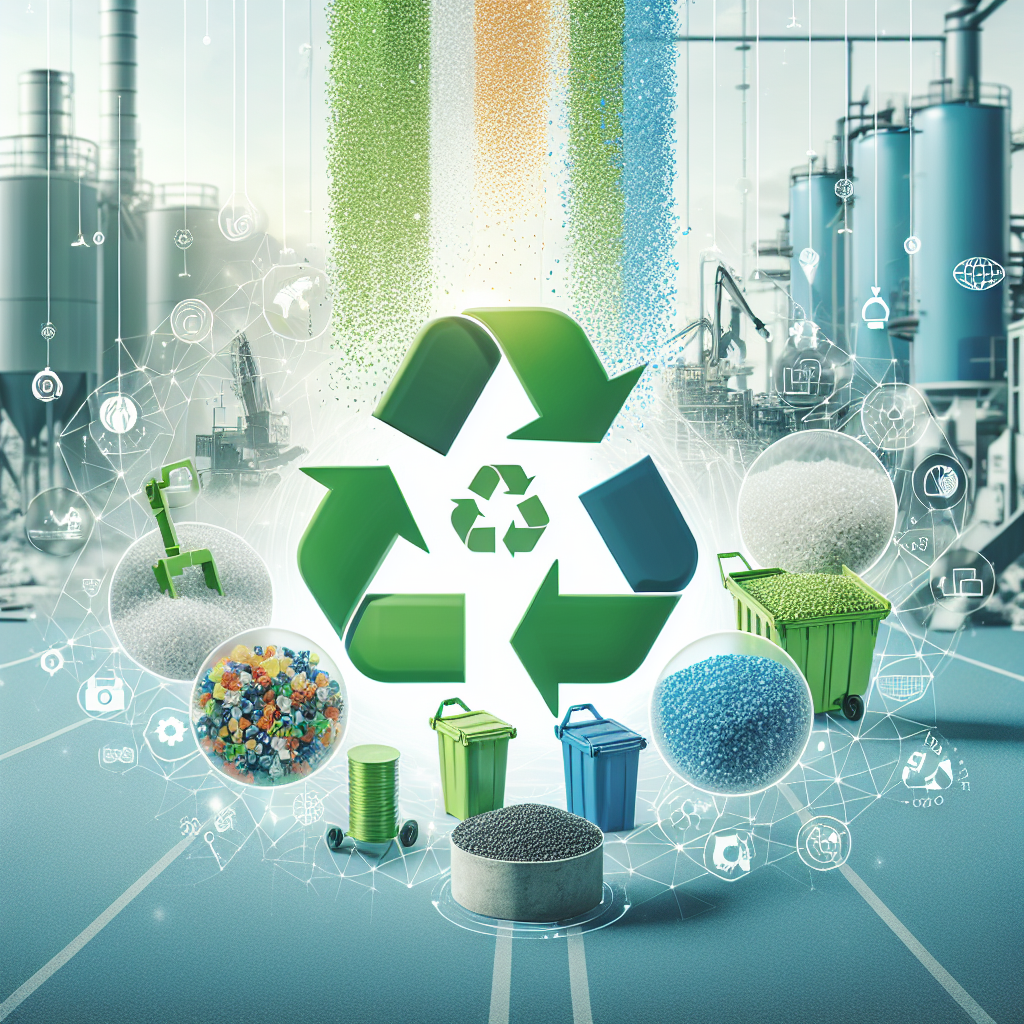
Plastic recycling is essential for reducing the reliance on virgin materials and minimizing environmental impact. At AARN Polymers, we specialize in converting post-consumer and post-industrial plastic waste into high-quality dana (granules), significantly contributing to sustainability and the circular economy. By diverting plastics from landfills and repurposing them into valuable raw materials, we champion the responsible use of resources and help mitigate the growing plastic pollution crisis.
The importance of plastic recycling lies in its capacity to substantially decrease the environmental footprint of plastic production. Every year, millions of tons of plastic waste are produced, much of which ends up in oceans and landfills, threatening wildlife and ecosystems. By engaging in effective recycling practices, we not only reduce waste but also fulfill the increasing industry demand for recycled materials, creating a more sustainable future. This transition aligns perfectly with the principles of the circular economy, where materials are reused and recycled, minimizing the need for new resources and reducing overall waste.
At AARN Polymers, we have been transforming plastic waste into high-quality granules for years, maintaining a steadfast commitment to quality and innovation. Our state-of-the-art technologies ensure that we produce granules that meet stringent industry standards for purity and strength. We pride ourselves on our collaborative partnerships with local communities and businesses, which help educate and engage stakeholders in effective waste management strategies. Through these initiatives, we strive not only to enhance our recycling processes but also to inspire others to participate in this critical movement toward sustainability.
In this blog, you'll learn about:
- The critical stages of the plastic recycling process, from collection to granule production.
- The best practices and innovative technologies that enhance recycling efficiency and quality.
- The significant environmental and economic impacts of adopting plastic recycling in today’s world.
Join us as we explore the vital role of plastic recycling and how fostering a circular economy can lead us to a more sustainable future.
Understanding the Importance of Plastic Recycling for Sustainability
At AARN Polymers, we believe that understanding the importance of plastic recycling is crucial in the fight against environmental degradation. Plastic recycling plays an essential role in promoting sustainability by mitigating plastic waste, conserving resources, and reducing greenhouse gas emissions. By recycling plastic, we not only reduce the volume of plastic entering landfills but also create a closed-loop system that minimizes our carbon footprint.
- Recycling plastics significantly reduces the energy required for the production of new plastic materials.
- Proper recycling practices help to ensure that recycled materials meet quality standards for reuse in manufacturing.
- At AARN Polymers, we've seen first-hand how educating businesses and consumers about recycling can help shift mindsets towards sustainability.
Our experience in the field has shown that plastic recycling leads to several tangible benefits for the environment and the economy. Recycling plastic conserves natural resources such as petroleum—an essential raw material for making plastics—thereby reducing the strain on our environment. For example, recycling a ton of plastic can save up to 7.4 cubic yards of landfill space and prevent over a ton of carbon dioxide emissions. Furthermore, as demand for sustainable practices grows, businesses prioritizing recycled plastic contribute to the development of a robust circular economy.
The transformative power of plastic recycling is evident in our operations at AARN Polymers, where we prioritize sustainability through quality control and operational efficiency. By integrating recycled materials into our production processes, we help foster a culture of environmental stewardship while meeting our clients' demand for high-quality plastics. This journey towards sustainability is about more than just recycling; it’s about redefining how we perceive plastic's lifecycle.
Exploring the Plastic Waste Crisis and Its Environmental Impact
The plastic waste crisis is a pressing issue facing our planet today, characterized by the staggering amount of plastic waste produced and the insufficient methods for managing it. At AARN Polymers, we recognize that the environmental impact of this crisis extends beyond mere visuals; it permeates ecosystems, wildlife, and ultimately human health. Plastics can take hundreds of years to decompose, leading to long-lasting pollution in our oceans, soil, and waterways.
- Plastics account for an estimated 80% of all marine debris, posing a danger to marine life.
- Exposure to certain types of plastics has been linked to health problems in humans and animals alike.
- We’ve observed an alarming trend: as landfills reach capacity, illegal dumping has become more common, exacerbating pollution levels.
In our operations, we've witnessed the effects of plastic waste firsthand. During our community engagement initiatives, we consistently encounter concerns about plastic pollution, which affects local wildlife and public health. To address this, AARN Polymers advocates for responsible plastic disposal and recycling practices. We communicate the crucial role that recycling plays in alleviating the strain on natural habitats by transforming waste into valuable resources for new products.
Addressing the plastic waste crisis goes hand in hand with raising awareness and educating consumers about responsible plastic use and disposal methods. As industry leaders, we continuously strive to develop collaborative solutions that encourage recycling, promote sustainable practices, and foster partnerships aimed at reducing plastic waste at its source. By tackling this issue head-on, we play a vital role in driving change towards a cleaner, healthier environment for future generations.
Transforming Plastic Waste into High-Quality Granules: AARN Polymers' Approach
At AARN Polymers, our commitment to sustainability is reflected in our innovative approach to transforming plastic waste into high-quality granules. This process is pivotal for producing reliable materials that businesses can integrate into their product lines. By adopting rigorous quality standards, we ensure that the granules we produce meet the demands of various industries while contributing to the circular economy.
- Our specialized sorting technology separates various types of plastics to prepare them for recycling.
- We use advanced cleaning methods to remove contaminants and maintain high purity levels.
- Quality control is integral; we conduct tests to ensure that the granules meet specific mechanical and chemical properties.
Our approach encompasses a thorough understanding of the materials we recycle. We utilize a series of mechanical processes, including shredding, washing, shredding, and then pelletizing, which collectively transform discarded plastics into valuable granules. We've found that maintaining strict quality assurance measures not only complies with industry standards but also builds trust among our clients, who rely on us for consistent high performance and eco-friendly materials.
The real-world impact of our granule production is profound. By transforming plastic waste into valuable resources, we reduce landfill waste and create a sustainable supply chain for businesses seeking recycled materials. We leverage our extensive network of suppliers and research partnerships to ensure that our products are not only environmentally friendly but also competitively priced, allowing us to continue making a difference in the plastic recycling paradigm.
The Critical Stages of the Plastic Recycling Process: From Collection to Granules
The plastic recycling process involves several critical stages that transform collected plastic waste into valuable high-quality granules. At AARN Polymers, we approach each step methodically to ensure efficiency, quality, and environmental sustainability.
1. **Collection and Sorting:** This is the first and fundamental stage of recycling. We collaborate with local agencies and businesses to collect separated plastic waste, employing advanced sorting technologies to classify plastics by type and grade efficiently.
2. **Cleaning and Processing:** After sorting, the plastics are thoroughly cleaned to eliminate contaminants like labels, adhesives, and residues. We use eco-friendly cleaning solutions to further enhance the purity of the incoming materials.
3. **Granulation and Pelletizing:** The cleaned plastics are then melted and processed into granules through an extrusion process. This final stage involves cooling the melted plastic to create uniform granules ready for resale and reuse in various applications.
Each stage of this process is vital to producing high-quality granules that align with industry standards. We've consistently improved our methods to maximize the yield and minimize waste, resulting in not only better environmental outcomes but also improved profitability for our operation.
In conclusion, our detailed approach ensures that we do not merely recycle plastic but do so in a manner that produces quality materials meeting our clients' requirements efficiently. Our commitment to transparency and sustainable practices at AARN Polymers underpins our operations, helping to pave the way for a greener future.
Innovative Technologies Enhancing Plastic Recycling Efficiency and Quality
In the evolving landscape of plastic recycling, innovative technologies play a critical role in enhancing both the efficiency and quality of recycled materials. At AARN Polymers, we actively invest in and implement state-of-the-art technologies designed to improve the recycling process, from sorting to processing.
- Advanced sorting systems that utilize AI and machine learning to optimize separation based on plastic type and quality.
- Enhanced cleaning techniques using ultrasonic waves and eco-friendly solvents that provide better contaminant removal without harming the material.
- Extrusion systems equipped with precise temperature control that allow for better consistency and pellet quality.
Our expertise in applying these technologies stems from a desire to minimize waste and improve our operational efficiencies. For example, by investing in AI-powered sorting systems, we've increased the purity of our input materials, which directly impacts the quality of the granules produced. It allows us to meet stringent industry requirements, which is essential for our clients in both appearance and performance.
Moreover, we've found that embracing technological advancements not only elevates our processes but also reduces fees associated with waste disposal and enhances overall sustainability. With a commitment to continuous improvement, AARN Polymers is always exploring new technologies that will further enhance our operations and reduce our environmental impact. By marrying innovation with sustainability, we are striving toward a future where plastic waste becomes an asset rather than a burden.
Creating a Circular Economy: The Role of Recycled Materials in Reducing Waste
Creating a circular economy is vital for addressing the challenges associated with plastic waste and promoting sustainability. At AARN Polymers, we see recycled materials at the heart of this model, where products are designed from the outset to be reused and recycled at their end-of-life, thereby reducing overall waste.
- The circular economy minimizes resource extraction by continually using existing materials, significantly lowering carbon footprints.
- Recycled materials help businesses comply with regulatory requirements and consumer preferences for sustainable practices.
- At AARN Polymers, our recycled granules fit seamlessly into various manufacturing processes, replacing virgin materials.
Our operations are designed to exemplify this concept in practice. By utilizing recycled plastics to produce high-quality granules, we supply businesses with a sustainable alternative that reduces their reliance on virgin materials. This, in turn, generates a positive feedback loop: more businesses prioritizing recycled materials translates into increased demand for recycling, which encourages further waste reduction.
In our experience, engaging with businesses to promote recycling not only impacts their sustainability efforts but also strengthens their market position. Our partnerships with local and international brands underline the growing recognition of the importance of integrating recycled materials into their product offerings. By creating robust infrastructure and facilitating the transition towards a circular economy, AARN Polymers is leading the charge toward a more sustainable future, ensuring that less plastic waste accumulates in our landfills and oceans.
Engaging Communities in Effective Plastic Recycling Practices for a Greener Future
Engaging communities in effective plastic recycling practices is key to driving meaningful change on a local and global scale. At AARN Polymers, we actively involve communities to promote awareness, education, and participation in recycling initiatives.
- We conduct workshops and educational programs that inform citizens about the benefits and methods of recycling plastic waste.
- Community partnerships help provide resources, such as recycling bins and collection drives, that promote better waste separation and recycling habits.
- We’ve seen that when communities are engaged, recycling rates significantly increase, fostering a culture of sustainability.
In our real-world experience, we've learned that grassroots involvement is essential for the success of recycling initiatives. Host events where community members can bring their plastic waste for recycling not only helps them dispose of their materials properly but also educates them on the importance of recycling in environmental conservation. Collaborative strategies, such as local challenges and awareness campaigns, can also reinforce positive behaviors surrounding waste management.
Moreover, engaging communities goes beyond immediate recycling activities. It sets the foundation for future generations to value sustainability. At AARN Polymers, we work towards ensuring that people recognize their individual roles in the plastic lifecycle—creating a sense of responsibility that can lead to transformative societal change. By cultivating local stewardship for plastic recycling, we believe that a greener, healthier planet is within reach.
Through our commitment to community engagement, we are able to amplify the impact of recycling efforts and create a supportive environment where everyone plays their part in combating the plastic waste crisis. Our ultimate goal is to foster a culture of sustainability and drive collective action toward a more sustainable future for all.
Conclusion
At AARN Polymers, we believe that understanding government policies that support plastic waste recycling in India is crucial for fostering a sustainable future. These policies not only promote responsible waste management but also reinforce our commitment to a circular economy. Engaging with these initiatives can significantly impact our recycling capabilities and help mitigate plastic pollution.
Key Takeaways:
- Government policies are designed to incentivize plastic recycling and reduce waste.
- Collaboration between industry and government is essential for effective implementation.
- Public awareness and education play a vital role in enhancing the efficacy of recycling programs.
Looking forward, we see the potential for transformative changes in plastic recycling practices across India. As these policies evolve, they will pave the way for the growth of a circular economy, aligning with global sustainability goals. By leveraging these opportunities, we can drive significant advancements in our approach to plastic waste.
We encourage you to partner with AARN Polymers in this journey towards sustainable practices. Whether you need quality recycled granules or are exploring sustainable sourcing options, we are here to support you every step of the way. Contact us today to learn more about how we can work together for a greener tomorrow.
Q: What are the key government policies that support plastic waste recycling in India?
A: At AARN Polymers, we see several initiatives like the Plastic Waste Management Rules and the Swachh Bharat Mission aimed at promoting recycling and reducing plastic waste. These policies not only encourage recycling but also set guidelines for waste collection, segregation, and processing to create a more sustainable waste management ecosystem.
Q: How does the government enforce compliance with recycling policies?
A: To ensure compliance, the government conducts regular audits and inspections, providing penalties for violations. As AARN Polymers experts, we recommend that manufacturers stay informed about local regulations and maintain proper documentation of their recycling processes to align with national policies.
Q: What role do incentives play in promoting plastic waste recycling in India?
A: Incentives such as subsidies for recycling technology and grants for research in sustainable practices significantly boost recycling efforts. AARN Polymers has benefited from such initiatives, allowing us to enhance our recycling processes and contribute to a circular economy that reduces plastic waste.
Q: How do government policies impact the quality of recycled plastic products?
A: The Plastic Waste Management Rules set quality standards for recycled plastic materials to ensure they are safe and effective for use. At AARN Polymers, we adhere to these standards, conducting rigorous testing on our recycled granules to guarantee they meet industry requirements, ensuring that our clients receive high-quality products.
Q: How can businesses partner with the government for plastic waste recycling?
A: Businesses can engage with government schemes by participating in public-private partnerships aimed at waste management and recycling initiatives. At AARN Polymers, we encourage companies to collaborate with local authorities and NGOs to help improve collection and recycling efforts, ultimately contributing to a greener environment.