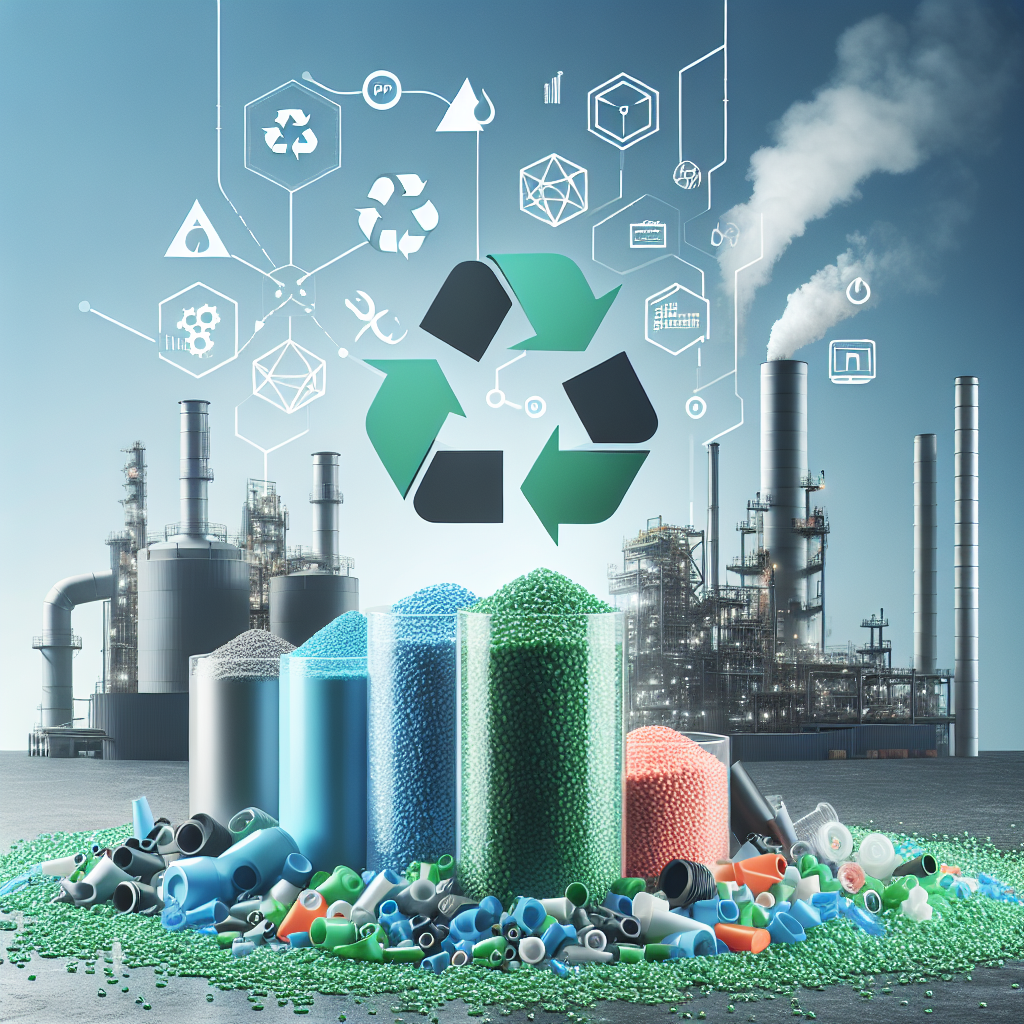
Plastic recycling is a crucial process in the modern economy, transforming waste plastic into valuable materials through systematic approaches. At AARN Polymers, we specialize in the production of high-quality dana (granules) derived from recycled plastics, significantly contributing to a sustainable circular economy. By engaging in plastic recycling, we tackle waste reduction and provide essential resources for manufacturers, sustainability officers, and procurement professionals.
The importance of plastic recycling cannot be overstated. It plays a vital role in reducing environmental impact, minimizing waste in landfills, and meeting the growing industry demand for recycled materials. As the global economy shifts toward sustainability, it becomes increasingly essential to develop practices that support the circular economy, allowing us to reuse materials effectively while conserving our natural resources.
At AARN Polymers, we have been at the forefront of this movement for years. Our expertise in transforming plastic waste into high-quality granules enables us to contribute meaningfully to the supply chain. We pride ourselves on our commitment to quality and sustainability, ensuring that our products meet the rigorous standards required by the industries we serve. By leveraging cutting-edge technology and innovative practices, we enhance the value of recycled plastics while promoting eco-friendly solutions.
In this comprehensive guide, you will learn more about the various aspects of plastic recycling processes and dana production, including:
- The different types of plastics and their recyclability.
- A detailed overview of the stages involved in plastic recycling.
- Best practices for producing high-quality granules and navigating common challenges in the recycling industry.
Understanding the Importance of Plastic Recycling for a Sustainable Future
At AARN Polymers, we recognize that plastic recycling is pivotal in shaping a sustainable future. The astounding volume of plastic waste generated globally, combined with its detrimental impact on the environment, necessitates immediate action. Recycling plastic not only reduces landfill accumulation but also conserves valuable natural resources and curtails greenhouse gas emissions associated with new plastic production. Importantly, it allows us to reintroduce materials back into the production cycle, embodying the principles of a circular economy.
Key Points:
- Plastic recycling minimizes landfill overflow and ocean pollution.
- It conserves energy and resources, significantly lowering carbon footprints.
- By incorporating recycled materials, businesses can reduce operational costs.
In our experience at AARN Polymers, the cyclical lifecycle of plastics can be achieved through innovative recycling processes. Each ton of recycled plastic saves the equivalent of nearly 1,000-2,000 gallons of gasoline, generating a substantial reduction in energy consumption. Additionally, by promoting recycling within industries, we are not just cleaning up our environment; we are fostering sustainable business practices. Companies that engage in recycling initiatives often find that they can enhance their brand reputation while aligning with consumer preferences for environmentally-friendly products.
As we navigate the myriad benefits of plastic recycling, it's also vital to understand its challenges. With increased awareness comes the responsibility to ensure that recycled materials meet stringent quality standards. By investing in advanced processing technologies, such as extrusion and pelletizing techniques, we can enhance the quality of recycled granules, thus making them more desirable for manufacturers.
Transforming Plastic Waste into Valuable Granules: AARN Polymers' Expertise
Transforming plastic waste into valuable granules is central to AARN Polymers’ mission. Our expertise lies in adopting state-of-the-art recycling technology, allowing us to convert discarded plastics into high-quality, reusable materials. The granules we produce are not just recycled depositories; they are a testament to innovation in the plastics industry, offering manufacturers sustainable alternatives to new materials.
Key Points:
- Our advanced technology enables efficient conversion of scrap plastic to granules.
- Quality assurance measures ensure that our granules meet industry specifications.
- We offer tailored solutions for diverse applications ranging from packaging to automotive.
At AARN Polymers, we’ve pioneered various processing techniques that elevate the quality of our recycled granules. From shredding and washing the collected plastic to the extrusion process, we ensure that each stage adheres to our quality standards. During extrusion, the cleaned plastic is melted and then turned into granules through a die, allowing for precise control of the granule shape and size. This meticulous attention to detail not only guarantees uniformity but also ensures that the final product is versatile for numerous applications.
Moreover, we strive to create a strong link between quality and sustainability. Our granules are not only environmentally friendly but also robust enough to replace virgin materials in many contexts, thereby reinforcing the economic case for businesses to incorporate recycled materials. As we continue to innovate, we are committed to expanding our granule offerings, thus helping clients meet their sustainability targets while maintaining product integrity.
Navigating the Stages of Plastic Recycling: From Collection to Granule Production
Navigating the stages of plastic recycling is crucial to efficiently transforming waste into reusable materials. At AARN Polymers, we've identified a systematic approach to the recycling process that ensures high-quality outcomes. It begins with the careful collection of plastic waste, which lays the foundation for what follows.
Process Steps:
1. **Collection:** We collaborate with municipal waste management systems and local businesses to source plastic waste effectively. This involves targeted initiatives to increase plastic recovery rates while ensuring that collected materials comply with our standards.
2. **Sorting and Cleaning:** Once collected, plastics are meticulously sorted based on resin types and cleaned to remove contaminants. This stage is vital as impurities can compromise the quality of recycled granules.
3. **Processing into Granules:** The sorted and cleaned plastics are shredded, melted, and extruded to form granules. The extrusion process is carefully monitored to achieve optimal temperature and pressure, ensuring uniform granule formation.
In our operations, we’ve found that a streamlined process significantly enhances the efficiency and quality of our output. Each step is integral; for instance, improper sorting can lead to cross-contamination, ultimately diminishing the quality of recycled products. By adhering to stringent quality controls at every phase, we are not only ensuring superior granule production but are also making strides toward reducing plastic waste effectively.
The implications of our recycling processes extend beyond environmental impact; they create economic opportunities as businesses seek to adopt sustainable practices. As we continue to refine these processes, AARN Polymers is committed to being at the forefront of innovation, leading the way toward a greener economy.
Exploring Different Types of Plastics and Their Recyclability
Understanding the different types of plastics and their recyclability is essential for fostering effective recycling practices. At AARN Polymers, we recognize that not all plastics are created equal; different resins possess unique properties, influencing their recycling potential. Classes of plastics, such as PET, HDPE, and PVC, each have specific characteristics regarding durability, melting temperature, and market demand for recycled materials.
Key Points:
- Certain plastics, like PET (Polyethylene Terephthalate) and HDPE (High-Density Polyethylene), boast high recyclability rates.
- Other types, such as polystyrene (PS), face significant challenges in recycling due to their material structure.
- Identification of resin types plays a crucial role in enabling effective sorting and processing.
In our experience, promoting awareness around the recyclability of various plastics empowers businesses and consumers alike. While some resins are widely accepted in recycling programs, others may require specialized processing techniques. AARN Polymers strives to educate stakeholders on material sorting to enhance overall efficiency in recycling initiatives. By breaking down the complexities of plastic types, we can develop optimal recycling strategies that maximize yield and minimize waste.
Additionally, as we advocate for better recycling practices, we are also committed to collaborating with producers to create designs that enhance recyclability. This involves engaging in dialogues around product design for disassembly and using materials that can be easily recycled. By targeting the design phase, AARN Polymers not only helps reduce waste but also creates a pathway for improved recovery rates in the recycling stream.
Best Practices for Producing High-Quality Recycled Granules
Producing high-quality recycled granules is a core focus of AARN Polymers, and we've developed best practices based on years of industry experience. These practices revolve around ensuring the consistency, purity, and reliability of our recycled materials, which are crucial for manufacturers seeking to integrate them into their products.
Key Points:
- Implement rigorous quality control measures throughout the recycling process.
- Utilize advanced technology to facilitate the efficient transformation of waste into granules.
- Engage in continuous improvement by adopting feedback from clients regarding granule performance.
At AARN Polymers, we emphasize the importance of quality control at multiple stages. Each batch of plastic waste undergoes a series of tests to ensure compliance with industry standards. From infrared spectroscopy that identifies resin types to mechanical testing that evaluates the strength of the granules, we leverage technology to uphold the integrity of our materials. The result is a product that meets or exceeds client specifications while contributing to sustainable practices.
Additionally, we recognize the significance of collaboration with our partners. Understanding the requirements of different industries allows us to tailor our granule production processes. By fostering open lines of communication, we can better align our granule offerings with market needs. Our commitment to quality and performance not only benefits our clients but also enhances the reputation of recycled materials across the industry.
The path to producing high-quality recycled granules is multifaceted but achievable. As AARN Polymers leads innovation in recycling processes, we continue to adopt best practices that ensure our products play a critical role in sustainability efforts. Moreover, we advocate for transparent communication about the capabilities of recycled materials, driving consumer confidence and fostering a circular economy.
Creating Solutions for the Circular Economy: Initiatives for Sustainability
At AARN Polymers, our vision aligns closely with the principles of the circular economy, where we view plastic not merely as a waste product but as a resource waiting to be reimagined and reused. We are proud to be at the forefront of initiatives that embody this philosophy, developing solutions that not only mitigate plastic waste but also create new economic opportunities.
Key Points:
- We focus on comprehensive systems that integrate plastic recycling into manufacturing processes.
- Initiatives include partnerships with businesses aiming to increase the use of recycled materials.
- Our educational outreach programs promote awareness of recycling benefits to consumers and businesses.
Our dedication to sustainability is reflected in our collaborative projects with manufacturers who seek to innovate within their supply chains. By introducing recycled granules made from reclaimed plastics back into product lines, we are effectively closing the loop, which is a hallmark of a circular economy. These partnerships not only help businesses meet their sustainability goals but also foster a mindset where recycled materials are seen as viable alternatives to virgin inputs.
Furthermore, education forms an essential component of our initiatives. We believe that informing stakeholders about the environmental impact of plastic waste and the benefits of recycling can drive meaningful change. Through outreach programs and workshops, we share our expertise, helping businesses adopt practices that support both environmental stewardship and operational efficiency.
In our journey, we have witnessed that every small step taken towards integrating recycling into production processes contributes significantly to sustainability. At AARN Polymers, we are committed to continually innovating our approach, ensuring that our solutions for the circular economy are as impactful as possible.
Addressing Challenges in the Plastic Recycling Industry and How to Overcome Them
The plastic recycling industry faces several challenges that must be addressed for sustained progress. At AARN Polymers, we confront these obstacles head-on, identifying solutions that preserve the integrity of recycling processes while promoting environmental responsibility.
Key Points:
- Contamination of collected plastics remains a significant barrier to effective recycling.
- Infrastructure limitations hinder the expansion of recycling programs across regions.
- The fluctuating market for recycled materials can impact profitability and investment in recycling technologies.
Throughout our operations, we often encounter contamination issues due to the improper disposal of plastics. Educating consumers on proper recycling practices can mitigate this challenge significantly. Collaborating with municipalities to implement standardized labeling on recyclable materials helps improve collection purity, allowing us to increase the volume and quality of granules produced.
A further challenge is the development of recycling infrastructure, particularly in underserved regions. We advocate for investment in recycling facilities that can process a wider range of materials. By working closely with governments and industry partners, AARN Polymers aims to expand our capabilities and increase access to recycling programs, ensuring that all plastic waste is given a chance at rejuvenation.
Market volatility poses yet another challenge, affecting pricing and demand for recycled materials. To combat this issue, we encourage businesses to consider long-term contracts and create demand by integrating recycled materials into their products. At AARN Polymers, we continuously monitor market trends to offer stable pricing for our granules, thereby enhancing predictability for our partners.
By tackling these challenges, we at AARN Polymers strive for continuous improvement in the plastic recycling landscape. Our commitment to exploring innovative solutions not only helps us overcome obstacles but also fosters a more sustainable future, ensuring that recycling remains a viable and integral part of the plastics industry.
Conclusion
At AARN Polymers, we understand the critical role that understanding the differences between LDPE, HDPE, and PP Dana plays in promoting sustainable manufacturing practices. Knowing the unique properties and applications of each polymer type is essential for Indian manufacturers seeking to optimize their production processes and reduce their environmental impact.
- LDPE offers flexibility and transparency, making it ideal for packaging applications.
- HDPE is durable and resistant to impact, perfect for containers and industrial products.
- PP Dana provides excellent heat resistance and is great for automotive and textile industries.
Looking ahead, the advancement in plastic recycling technologies and the growth of a circular economy will enable more sustainable practices in manufacturing. As we strive toward our sustainability goals, it's imperative for manufacturers to adapt to changing market demands and consumer preferences by choosing the right materials that align with these objectives.
We invite you to partner with AARN Polymers for high-quality recycled granules and to explore sustainable sourcing options. Together, we can lead the way toward a more sustainable future in the manufacturing landscape. Contact us today to learn how we can support your journey toward greener practices.
Q: What is the difference between LDPE, HDPE, and PP dana in terms of properties?
A: At AARN Polymers, we find that LDPE is flexible and has excellent puncture resistance, making it ideal for films and bags. HDPE is more rigid and stronger, perfect for containers and robust packaging, while PP offers high chemical resistance and is used for various applications, including automotive and textiles.
Q: How do I decide which type of dana is suitable for my manufacturing process?
A: I recommend analyzing your product requirements, such as flexibility, impact resistance, and chemical exposure. For example, choose LDPE if you need flexibility, while HDPE is best for strength, and PP is ideal for chemical resistance. You can also consult with us for specific material recommendations based on your needs.
Q: What quality standards do your LDPE, HDPE, and PP dana meet?
A: At AARN Polymers, we ensure our dana products meet stringent quality standards, including ISO certifications. We conduct comprehensive testing for melt flow index, tensile strength, and clarity, ensuring our clients receive consistent and reliable materials across all applications.
Q: How does using recycled LDPE, HDPE, or PP contribute to sustainability?
A: Using recycled materials like LDPE, HDPE, and PP significantly reduces plastic waste and the demand for new fossil fuels. Our recycled dana helps decrease carbon emissions by up to 70%, aligning with your company’s sustainability goals while promoting an eco-friendly manufacturing process.
Q: How can I source recycled LDPE, HDPE, or PP dana for my production needs?
A: AARN Polymers makes sourcing easy by offering a range of high-quality recycled dana. Simply reach out to our procurement team for a tailored quote that meets your volume and grade specifications, and we will guide you through the selection process to ensure you receive the right materials for your production.