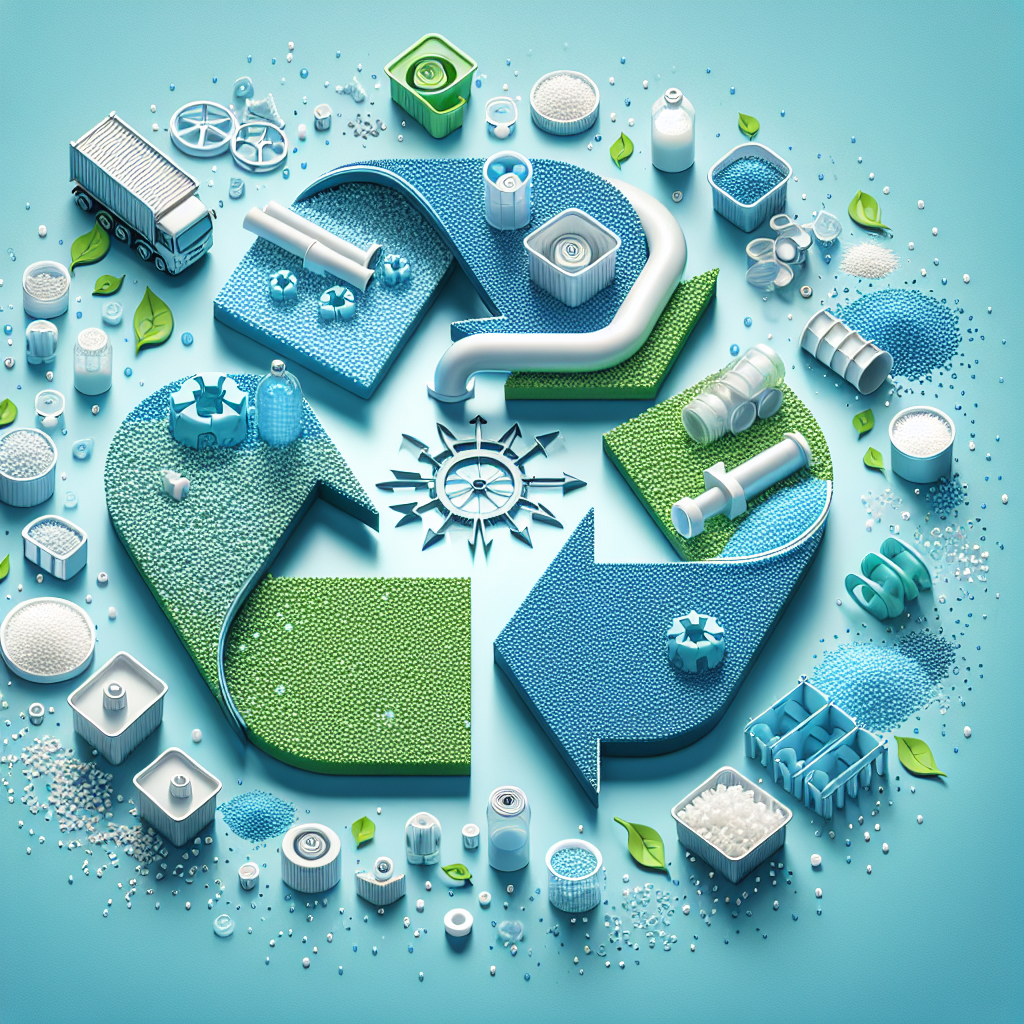
The plastic recycling process is a systematic approach involving the collection, sorting, cleaning, and transformation of used plastics into high-quality dana (granules). By engaging in this process, we not only divert plastic waste from landfills but also create a valuable resource for manufacturing new products, significantly contributing to sustainability efforts.
The importance of plastic recycling cannot be overstated. With the increasing volume of plastic waste, effective recycling practices help conserve natural resources, reduce environmental damage, and meet the growing industry demand for recycled materials. This, in turn, supports the circular economy, where materials are continually repurposed, minimizing reliance on virgin plastics and fostering a sustainable future.
At AARN Polymers, we specialize in turning plastic waste into premium recycled dana, demonstrating our commitment to quality and sustainability. Our extensive experience in the field enables us to understand the intricate details of the recycling process, ensuring that we provide the highest standards of recycled granules that contribute positively to the environment.
In this blog, you will learn about the intricacies of the plastic recycling process and its environmental impact, including:
- A comprehensive overview of the steps involved in recycling plastics.
- The significance of high-quality dana in manufacturing and sustainability.
- Insights into the circular economy and how AARN Polymers is leading the way in promoting responsible resource management.
Understanding the Plastic Recycling Process: Steps to Sustainability
At AARN Polymers, we recognize that the plastic recycling process is pivotal for achieving sustainability. The recycling process involves several essential steps to effectively transform plastic waste into reusable materials. By understanding this process, businesses can engage in more sustainable practices that contribute to reducing plastic waste and preserving the environment.
- The recycling process begins with the collection of plastic waste, which can come from various sources such as households, industries, and commercial establishments.
- Sorting is the next critical step, where different types of plastics are separated based on their resin types, typically identified by the plastic identification code.
- After sorting, plastics are cleaned, shredded, and processed to create high-quality granules that can be used in manufacturing new products.
In our experience at AARN Polymers, one of the primary challenges in recycling is ensuring proper sorting. Contaminated plastics, which include impurities such as dirt, food residues, or non-recyclable materials, can compromise the quality of the recycled material. Therefore, we employ advanced sorting technologies that help streamline this initial phase, which sets the foundation for high-quality output.
Following sorting, the granulating process is crucial. Shredded plastics are extruded, and the melted material is processed through a die to form continuous strands that are cooled and cut into granules. These granules represent the lifeblood of our operations, allowing for efficient manufacturing of new plastic products. We find that prioritizing cleanliness and processing efficiency at every step significantly enhances our sustainability efforts and the overall quality of our recycled plastics.
Transforming Plastic Waste into High-Quality Dana Granules
Transforming plastic waste into high-quality dana granules is a defining aspect of our operations at AARN Polymers. Dana granules are the small plastic pellets that result from the recycling process, and they serve as the primary raw material for producing various plastic products. This transformation not only reduces landfill waste but also fosters a more sustainable manufacturing cycle.
- The initial stage involves cleaning the collected plastics to remove any debris or contaminants.
- Following cleaning, the plastics are melted down and extruded, forming continuous strands that are then cooled and chopped into uniform granules.
- After granulation, these pellets can be sold to manufacturers looking for cost-effective and environmentally friendly alternatives to virgin plastics.
In the granulating process at AARN Polymers, we focus on maintaining strict quality control. We utilize dedicated machinery and conduct rigorous testing to ensure that the dana granules meet industry standards. Additionally, our facility is equipped to handle various types of plastics, which gives us a versatility that aligns with diverse market needs.
Our approach to producing high-quality dana granules emphasizes efficiency and sustainability. By utilizing state-of-the-art recycling technologies, we reduce energy consumption during the melting and extrusion stages, which aligns with our mission to support a circular economy. The dana granules produced at our facility can replace virgin plastics in manufacturing, allowing companies to decrease their carbon footprint while still achieving high-performing results.
The Significance of Quality in Recycled Plastics for Sustainability
Quality plays a significant role in the recycling process, particularly in the production of recycled plastics. At AARN Polymers, we believe that the quality of recycled materials directly impacts sustainability efforts in numerous ways, from manufacturing practices to end-product viability.
- High-quality recycled plastics can be used in a broader range of applications, including consumer goods, automotive parts, and packaging.
- Inconsistent or poor-quality recycled materials can lead to product failures, ultimately discouraging businesses from incorporating recycled plastics into their supply chains.
- Maintaining stringent quality standards also enhances consumer trust in recycled products, fostering a culture of sustainability.
In our operations, we've discovered that meticulous attention to detail at each step of the recycling process enhances the quality of our outputs. For instance, impurities or lower-grade plastics can dilute the final product’s integrity. By adhering to quality assurance protocols and performing regular testing, we ensure that our recycled plastics meet the high demands of various industries.
The role of quality in sustainability goes beyond just meeting specifications; it also drives innovation across products. Many manufacturers are now exploring ways to incorporate recycled plastics into high-performance applications, and achieving superior quality is essential for realizing these advancements. Therefore, we at AARN Polymers continually strive to set high benchmarks in the recycling industry, ensuring that our recycled plastics play a vital role in sustainable manufacturing practices.
Creating a Circular Economy: The Role of Plastic Recycling
Creating a circular economy is crucial for sustainable development, and plastic recycling plays a vital role in this shift. At AARN Polymers, we understand that recycling maximally utilizes resources and minimizes waste, fundamentally redefining how we perceive plastic products.
- The circular economy emphasizes the continual reuse of materials, which mitigates the extraction of virgin resources and reduces the overall environmental impact.
- By recycling plastic products, we enhance resource management, effectively reducing landfill contributions and energy consumption associated with producing new plastics.
- The transition to a circular economy also fosters innovation, encouraging businesses to develop new recycling technologies and processes to optimize their operations.
In our journey at AARN Polymers, we have seen the ripple effects of implementing circular economy principles. By transforming plastic waste into high-quality granules, we enable manufacturers to produce new products without relying solely on virgin materials. This approach not only reduces the strain on natural resources but also represents a significant cost-saving opportunity for many businesses.
Furthermore, we believe that the shift to a circular economy is not just a responsibility but an opportunity for growth and development. Our commitment to collaborating with various stakeholders—including customers, suppliers, and local communities—ensures that we are contributing effectively to the establishment of sustainable practices within the industry. By participating in this transformative journey, we can drive systemic change and widen the adoption of plastic recycling on a larger scale.
AARN Polymers' Expertise in Recycling and Granule Production
At AARN Polymers, our expertise in recycling and granule production sets us apart from others in the industry. We pride ourselves on using advanced technology combined with years of knowledge and experience to deliver top-quality recycled plastics that meet market demands.
- Our facility utilizes state-of-the-art processing techniques to convert post-consumer waste into high-quality recycled granules, ensuring consistent output.
- We employ a dedicated team of experts who oversee the recycling process, ensuring all steps meet rigorous quality and sustainability standards.
- Flexibility in accommodating various types of plastics allows us to cater to a broader range of industries, enhancing our contribution to sustainable practices.
Our team at AARN Polymers is constantly exploring new methods and technologies to improve our operations. From optimizing our sorting capabilities to experimenting with different extrusion techniques, we focus on innovations that enhance both the efficiency and sustainability of our processes.
Moreover, we actively participate in industry initiatives and collaborations that share best practices and knowledge with peers. This commitment allows us to stay ahead of emerging trends in recycling and ensure that our methodologies align with evolving sustainability expectations across the globe. Our expertise in recycling and granule production does not just make us a leader; it also shapes the future of plastic sustainability.
The Environmental Impact of Effective Plastic Recycling Practices
The environmental impact of effective plastic recycling practices cannot be overstated. At AARN Polymers, we are acutely aware that our actions reverberate beyond our facility, influencing sustainability efforts on a global scale.
- Effective recycling practices significantly reduce greenhouse gas emissions associated with producing new plastics from raw materials.
- Recycling conserves energy and natural resources, lessening our dependence on fossil fuels and minimizing environmental degradation.
- By diverting plastic waste from landfills, recycling mitigates pollution and the environmental harm caused by accumulating plastic waste.
Through our operations, we have witnessed the tangible benefits of adopting effective recycling practices. Each ton of plastic we recycle translates into considerable energy savings and a marked decrease in carbon emissions compared to using virgin materials. We continuously invest in enhancing our recycling technologies to further amplify these benefits while providing high-quality products to our clients.
Additionally, we understand that effective plastic recycling practices extend beyond our direct contributions. By partnering with local municipalities and organizations, we facilitate educational campaigns to promoting proper recycling techniques. This community engagement is crucial, as successful recycling starts with individuals being informed and motivated to participate in sustainable practices.
At AARN Polymers, we are proud of our environmental impact, and we continuously seek ways to enhance our practices. Our goal is to inspire others in the industry to adopt effective recycling strategies, fostering a collective movement toward a more sustainable future.
Engaging in Sustainability: How Recycling Supports Resource Management
Engaging in sustainability is essential for today’s conscious businesses, and at AARN Polymers, our recycling practices are integral to supporting effective resource management. By optimizing the lifecycle of plastic products, we help businesses reduce their environmental footprint while simultaneously promoting a sustainable approach to manufacturing.
- Recycling plays a critical role in resource management by prolonging the life cycle of plastic products, reducing the need for new materials, and minimizing waste.
- By providing quality recycled granules as an alternative to virgin plastics, we enable manufacturers to maintain production without compromising on quality.
- Our recycling processes contribute to creating a closed-loop system, where plastic materials can be reused multiple times without losing integrity.
In our experience at AARN Polymers, we have seen that many businesses are eager to embrace sustainability but face challenges when it comes to sourcing reliable recycled materials. That's why we focus on building long-term relationships with our partners to supply quality recycled plastics reliably. This partnership not only simplifies their operations but also aligns their business goals with broader sustainability initiatives.
By promoting resource management through recycling, we ensure that more plastic products are continually cycled back into production. This ongoing cycle not only conserves resources but also helps mitigate potential regulatory challenges related to plastic waste. At AARN Polymers, we are excited to lead the charge toward sustainability in the recycling industry, and we invite others to join us in this essential journey.
Conclusion
At AARN Polymers, we understand the critical importance of the ongoing discussion about recycled versus virgin plastic Dana in India. Our insights reveal that the choice between recycled and virgin plastic not only affects cost and quality but has significant environmental implications as well, making it a vital topic for promoting sustainability in our industry.
- Recycled plastic Dana offers a more sustainable option, reducing waste in landfills.
- Quality can match virgin plastic when sourced properly, ensuring no compromises in product performance.
- The cost-effectiveness of recycled materials provides a competitive edge while supporting environmentally friendly practices.
Looking forward, we see a growing momentum towards plastic recycling and the circular economy, which can transform our industry into a more sustainable landscape. By prioritizing recycled plastics, we can collectively work towards meeting our sustainability goals and creating a positive impact on our environment.
We encourage you to join us on this journey. Partner with AARN Polymers today for top-quality recycled granules, and let’s explore sustainable sourcing together to make a significant difference in reducing plastic pollution. Contact us to learn more!
Q: What defines recycled plastic dana compared to virgin plastic dana?
A: At AARN Polymers, we define recycled plastic dana as granules made from post-consumer plastic waste, providing an eco-friendly alternative to virgin plastic dana, which is derived from petroleum-based resources. Our recycled dana serves as a cost-effective option that meets industry standards without sacrificing quality.
Q: How is recycled plastic dana processed and produced?
A: The recycling process involves collecting plastic waste, sorting, cleaning, and then grinding it into small pieces. At AARN Polymers, we use advanced techniques to transform this waste into high-quality recycled dana while ensuring that it retains desirable characteristics for manufacturing applications.
Q: What quality standards do recycled plastic dana meet?
A: Our recycled plastic dana at AARN Polymers undergoes stringent quality control measures to ensure it meets or exceeds the necessary performance specifications. This includes testing for melt flow index, color consistency, and overall mechanical properties to ensure reliability in end products.
Q: What are the environmental benefits of choosing recycled plastic dana over virgin plastic?
A: Choosing recycled plastic dana can significantly reduce the carbon footprint, as it minimizes the need for fossil fuels and reduces plastic waste in landfills. By opting for our recycled options, manufacturers can help conserve resources and contribute to a circular economy, with studies indicating a reduction in greenhouse gas emissions by up to 70%.
Q: How can manufacturers source high-quality recycled plastic dana from AARN Polymers?
A: At AARN Polymers, we offer a streamlined sourcing process for manufacturers looking for reliable recycled plastic dana. We provide detailed product specifications, support in selecting the right materials for your applications, and ensure consistent supply to meet your business needs sustainably.