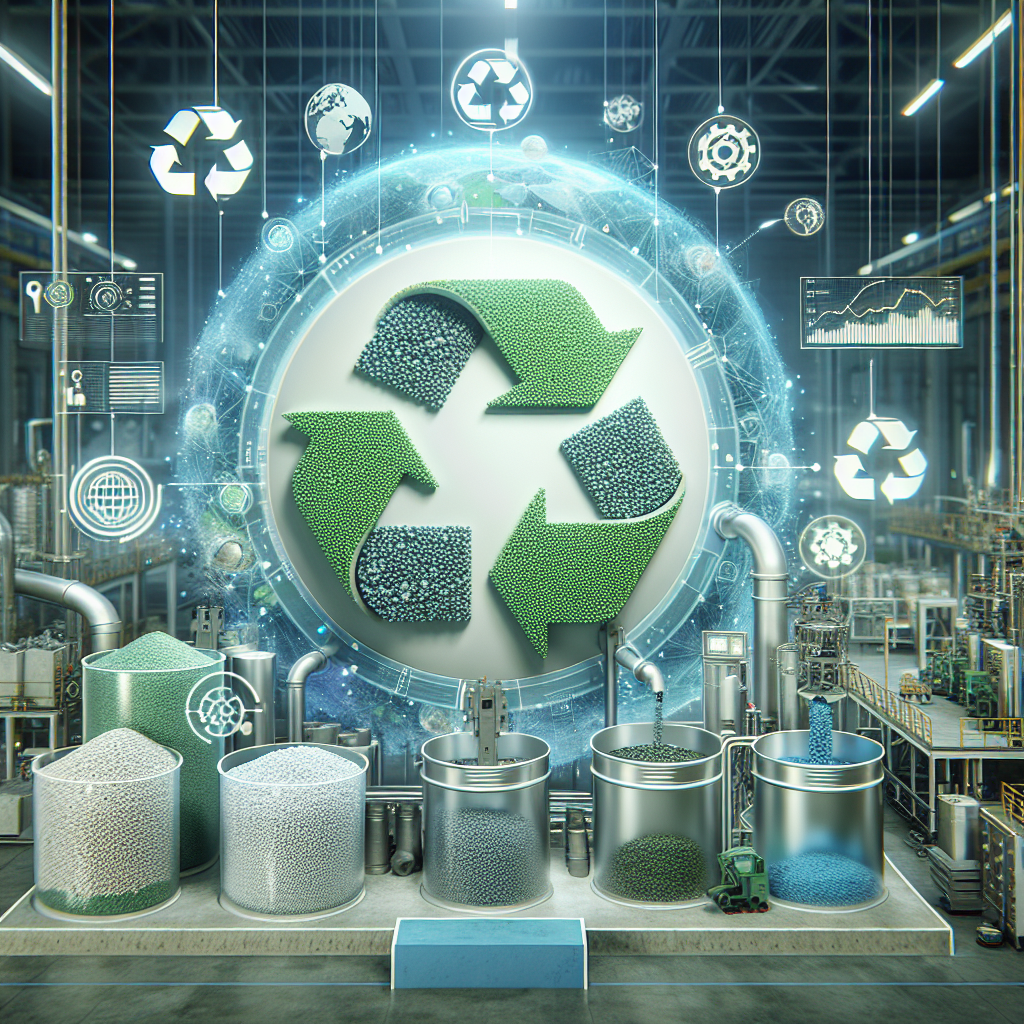
Plastic recycling is the process of recovering scrap or waste plastic and reprocessing it into valuable products, significantly mitigating plastic pollution. At AARN Polymers, we specialize in transforming discarded plastics into high-quality recycled granules, commonly referred to as dana, through advanced recycling processes that prioritize sustainability. As a leader in the plastic recycling industry, we are committed to driving sustainable practices through efficient recycling solutions that make a real impact on the environment.
The significance of plastic recycling extends beyond merely processing waste; it plays a critical role in promoting sustainability and nurturing a circular economy. By reducing the volume of plastic waste that ends up in landfills, we lessen the harmful environmental impacts associated with plastic pollution. Moreover, recycling conserves natural resources and minimizes the pollution and greenhouse gases generated during the production of new plastic materials, aligning our practices with a broader commitment to a sustainable future.
At AARN Polymers, we have built our reputation on expertise and innovation in the plastic recycling domain. With years of experience, we have perfected our methods to efficiently transform plastic waste into high-quality granules, ensuring the highest purity levels and compliance with industry standards. Our commitment to quality is not just a goal; it is woven into the very fabric of our operations, where we utilize cutting-edge technology and rigorous testing protocols to deliver the best possible recycled materials to our partners.
In this blog, you will learn essential aspects of the plastic recycling processes, including:
- Key concepts surrounding plastic waste types and their sources
- A detailed, step-by-step guide of the plastic recycling process
- Insights into AARN Polymers' commitment to quality and sustainability standards.
Join us as we explore how the plastic recycling journey begins and why it is vital for our planet's future.
Understanding the Importance of Plastic Recycling for a Sustainable Future
At AARN Polymers, we understand that plastic recycling is not just an option—it's a necessity for fostering a sustainable future. Plastic waste has become a global crisis, with millions of tons ending up in landfills and our oceans each year. By recycling plastics, we can significantly reduce this environmental impact while conserving valuable resources and energy.
- Recycling plastics helps divert waste from landfills and reduces pollution.
- It conserves natural resources, such as fossil fuels and water, required for virgin plastic production.
- Our experience shows that effective recycling contributes to the circular economy by maintaining material value.
Through our operations, we’ve observed that recycling not only minimizes the volume of plastic waste but also creates a sustainable loop where materials are continuously reused. When plastics are recycled, they can be transformed into new products instead of being discarded. This cycle is vital in reducing our dependence on virgin plastics, which are environmentally taxing to extract and process.
In promoting plastic recycling as an essential component of sustainability, we advocate for industry-wide changes and educational initiatives that encourage businesses and individuals to embrace recycling as a norm rather than an exception. When more stakeholders recognize the importance of participating in recycling efforts, we pave the way to a truly sustainable future.
Exploring Different Types of Plastic Waste and Their Sources
Understanding the different types of plastic waste is crucial for effective recycling strategies. At AARN Polymers, we categorize plastic waste into several types, primarily based on their resin identification codes: PET, HDPE, PVC, LDPE, PP, PS, and other specialty plastics. Each type has unique properties and recycling processes, which we navigate for optimal results.
- **PET (Polyethylene Terephthalate)**: Common in beverage bottles, food containers, and synthetic fibers; easily recycled.
- **HDPE (High-Density Polyethylene)**: Found in milk jugs, detergent bottles, and piping; valued for its strength and durability.
- **PVC (Polyvinyl Chloride)**: Used in plumbing, wiring, and flooring; more challenging to recycle due to additives.
- **LDPE (Low-Density Polyethylene)**: Soft plastic used in shopping bags and food wraps; often not accepted in curbside recycling.
In our work at AARN Polymers, we often encounter challenges related to contaminated plastic waste, such as food residues or mixed materials that complicate the recycling process. Recognizing the source of plastic waste—from consumer products to industrial applications—allows us to tailor our recycling methods effectively. For instance, industrial plastics often have less contamination compared to household plastics, making them easier to process.
By educating our clients on the various types of plastic waste and their sources, we empower them to adopt better practices for collection and recycling. This understanding is key to enhancing the overall quality of recycled materials, ensuring that we can produce high-grade granules and finished products that meet industrial standards.
Processing Plastic Waste: The Step-by-Step Journey to High-Quality Granules
Processing plastic waste into high-quality granules involves a detailed and carefully controlled journey. At AARN Polymers, we emphasize the need for precise methodologies to maintain quality and sustainability at every step.
1. **Collection and Segregation**: The first step involves collecting plastic waste and sorting it into different categories. We work closely with waste management partners to ensure that plastics are properly segregated at the source.
2. **Washing and Cleaning**: Contaminants can impede the recycling process, so we take great care to wash plastics thoroughly. This step removes residues and impurities that could compromise the quality of the final product.
3. **Shredding and Size Reduction**: Once cleaned, we shred the plastics into smaller pieces or flakes. This size reduction aids in the subsequent processes, allowing more even feeding into our extruder.
Through these meticulous steps, we've refined our techniques to deliver consistent, high-quality granules that can be utilized in various applications. The quality of our granules directly impacts the strength and usability of end products made from recycled materials. Our state-of-the-art technology allows us to monitor and adjust parameters in real-time, giving us unparalleled control over the granulation process.
Every batch of recycled granules we produce is then tested against strict quality standards to ensure they meet industrial requirements. This commitment not only enhances their desirability in the market but also supports our mission of sustainability and circular economy integration.
Transforming Discarded Plastics into Premium Dana: AARN Polymers' Expertise
At AARN Polymers, we specialize in transforming discarded plastics into premium dana, a high-quality raw material for the manufacturing of new plastic products. Our expertise in this area allows us to recover materials efficiently and effectively, ensuring maximum value is extracted from waste.
The journey from discarded plastics to premium dana starts with using advanced sorting technologies to selectively identify and remove unwanted contaminants. This initial step is critical in ensuring that we start with the cleanest possible input materials.
Once sorted, we proceed to the granulation process, where plastics are melted and extruded into fine strands.
- After extrusion, the strands are cooled and cut into pellet-sized pieces that we refer to as dana.
- Throughout this process, our skilled team monitors temperature and pressure settings to ensure optimal material properties.
In real-world scenarios, we have seen the benefits of utilizing premium dana in manufacturing applications—it provides an eco-friendly option for businesses looking to lower their carbon footprint while maintaining product quality. Our partners appreciate that they can produce high-quality items while contributing to conservation efforts and reducing plastic pollution.
Ultimately, the transformation of discarded plastics into premium dana highlights our commitment to sustainability at AARN Polymers. By investing in advanced recycling processes and forming lasting partnerships, we strive to lead the way toward a greener, more sustainable future.
Creating a Circular Economy Through Efficient Plastic Recycling Solutions
A circular economy is increasingly becoming the gold standard for sustainable practices, and at AARN Polymers, we are fully committed to creating efficient plastic recycling solutions that exemplify this concept. In a circular economy, waste is minimized, and materials are repeatedly used to create new products. This reduces reliance on virgin resources and mitigates environmental impacts.
- **Design for Recycling**: We collaborate with manufacturers to create designs that facilitate recycling, helping to establish processes that allow materials to be reused effectively.
- **Material Recovery Facilities**: Our strategically located facilities streamline the sorting and recycling processes, optimizing the flow of materials through our operations.
- **Innovative Recycling Technologies**: By investing in cutting-edge technologies, we enhance the versatility of our recycling capabilities, allowing us to manage a wider range of plastic types.
From our experience, there are numerous challenges in creating a circular economy, including consumer behavior and the complexities of waste management. We engage in educational outreach to emphasize the importance of recycling practices and support initiatives that aim to promote sustainable habits.
Through our dedication to efficient recycling solutions, we create a robust infrastructure that allows for the reuse of materials, significantly reducing waste. As a result, we're able to contribute to both economic and environmental benefits while ensuring that our operations align with the principles of a circular economy.
Mitigating Plastic Pollution: The Environmental Impact of Recycling Practices
At AARN Polymers, we recognize that mitigating plastic pollution is one of the most pressing environmental challenges of our time. Recycling plays a pivotal role in addressing this issue by reducing the amount of plastic waste entering landfills and, ultimately, our oceans and natural habitats.
- **Reduction of Greenhouse Gas Emissions**: Recycling plastics significantly lowers greenhouse gas emissions compared to producing new plastics from raw materials.
- **Conservation of Resources**: Through recycling, we save valuable resources, such as crude oil and natural gas, which are otherwise needed for the production of virgin plastics.
- **Minimized Pollution**: Proper recycling processes ensure that hazardous materials are managed appropriately, reducing risks associated with plastic pollution.
We have observed firsthand the tangible environmental benefits resulting from our recycling practices. For example, when clients choose our recycled materials, they are actively participating in reducing environmental footprints and reinforcing corporate social responsibility efforts.
Additionally, recycling diverts significant volumes of plastic waste, preventing it from being incinerated or disposed of in landfills where it can take centuries to decompose. The degradation of plastics releases harmful chemicals into the soil and water systems—our recycling efforts help halt this cycle.
As experts at AARN Polymers, we continually strive to improve our recycling practices and expand the boundaries of what’s possible in plastic waste management. By sharing our insights and advocating for eco-friendly initiatives, we aim to lead the way toward reducing plastic pollution for future generations.
Commitment to Quality: AARN Polymers' Sustainable Approach to Recycling
Quality is at the heart of AARN Polymers’ operations. Our commitment to producing high-grade recycled materials underpins our sustainable approach to plastic recycling. We understand that to win the trust of businesses and consumers, we must adhere to rigorous quality standards.
- **Comprehensive Quality Control**: From the initial collection of plastics to the final product, every stage undergoes comprehensive quality checks, ensuring it meets or exceeds industry certifications.
- **Advanced Recycling Technologies**: By integrating modern technologies, we enhance our processing capabilities, producing granules and dana that are both functional and aesthetically suitable for various applications.
- **Transparent Supply Chain**: We believe in maintaining transparency in our supply chain, allowing stakeholders to trace the origin of materials and understand the recycling journey.
Our real-world approach to recycling ensures that we consistently deliver products of the highest quality. As a leader in the plastic recycling industry, we prioritize sustainability not only in our processes but in our corporate ethos. This includes continuous investment in research and development aimed at innovating our recycling methods.
We’ve found that our sustainable practices do more than just contribute to environmental protection; they also build resilience in our operations by fostering trust and collaboration with partners and clients. By focusing on quality, AARN Polymers promotes a future where recycled plastics are more than mere substitutes; they are preferred choices for conscientious manufacturers.
Through our unwavering commitment to quality, we are dedicated to advancing the recycling ecosystem and ensuring that our materials can contribute meaningfully to a sustainable economy.
Conclusion
At AARN Polymers, we believe that the environmental benefits of using recycled plastic granules in manufacturing are not just important—they are essential for the sustainability of our planet. By embracing recycled materials, we significantly reduce waste, lower carbon emissions, and conserve precious natural resources. This shift towards recycling in manufacturing is crucial for fostering a cleaner, greener future.
- Recycled plastic granules help minimize landfill waste and protect natural habitats.
- Using these materials reduces energy consumption and greenhouse gas emissions compared to virgin plastic production.
- Incorporating recycled materials supports the growth of a circular economy, where resources are reused and reimagined.
Looking forward, the implications for plastic recycling are exciting and full of potential. The growth of a circular economy will shape how industries operate, placing sustainability at the forefront of future innovations. As we continue to strive for ambitious sustainability goals, we gather momentum to tackle environmental challenges more effectively.
We encourage you to partner with AARN Polymers to embrace the change toward sustainability in your manufacturing processes. Contact us today to explore the quality recycled granules we offer and see how we can help you source sustainable materials that make a difference. Together, let’s build a brighter, greener future!
Q: What are the environmental benefits of using recycled plastic granules in manufacturing?
A: By using recycled plastic granules from AARN Polymers, manufacturers significantly reduce plastic waste, conserving resources and energy. This process minimizes carbon footprints and decreases the environmental impact associated with new plastic production.
Q: How is recycled plastic waste transformed into granules?
A: Our process involves collecting plastic waste, cleaning it, and shredding it into small pieces. The shredded plastic is then melted and reformed into granules, ensuring we maintain quality and integrity for manufacturing applications.
Q: What quality standards do recycled plastic granules meet?
A: At AARN Polymers, we adhere to strict quality standards and conduct thorough testing to ensure that our recycled granules meet or exceed performance benchmarks. This guarantees that manufacturers receive reliable materials that perform like virgin plastics.
Q: How does using recycled granules contribute to sustainability goals?
A: Incorporating recycled granules into manufacturing processes helps organizations meet sustainability targets by reducing reliance on fossil fuels, conserving natural resources, and decreasing landfill contributions. This not only benefits the environment but also enhances brand reputation in a consumers’ eco-conscious market.
Q: How can manufacturers partner with AARN Polymers to source recycled plastic granules?
A: We offer flexible sourcing options for manufacturers looking to implement sustainable practices. By connecting with our team, you’ll receive tailored support in identifying the right recycled granules for your application, ensuring quality and sustainability are at the forefront of your products.