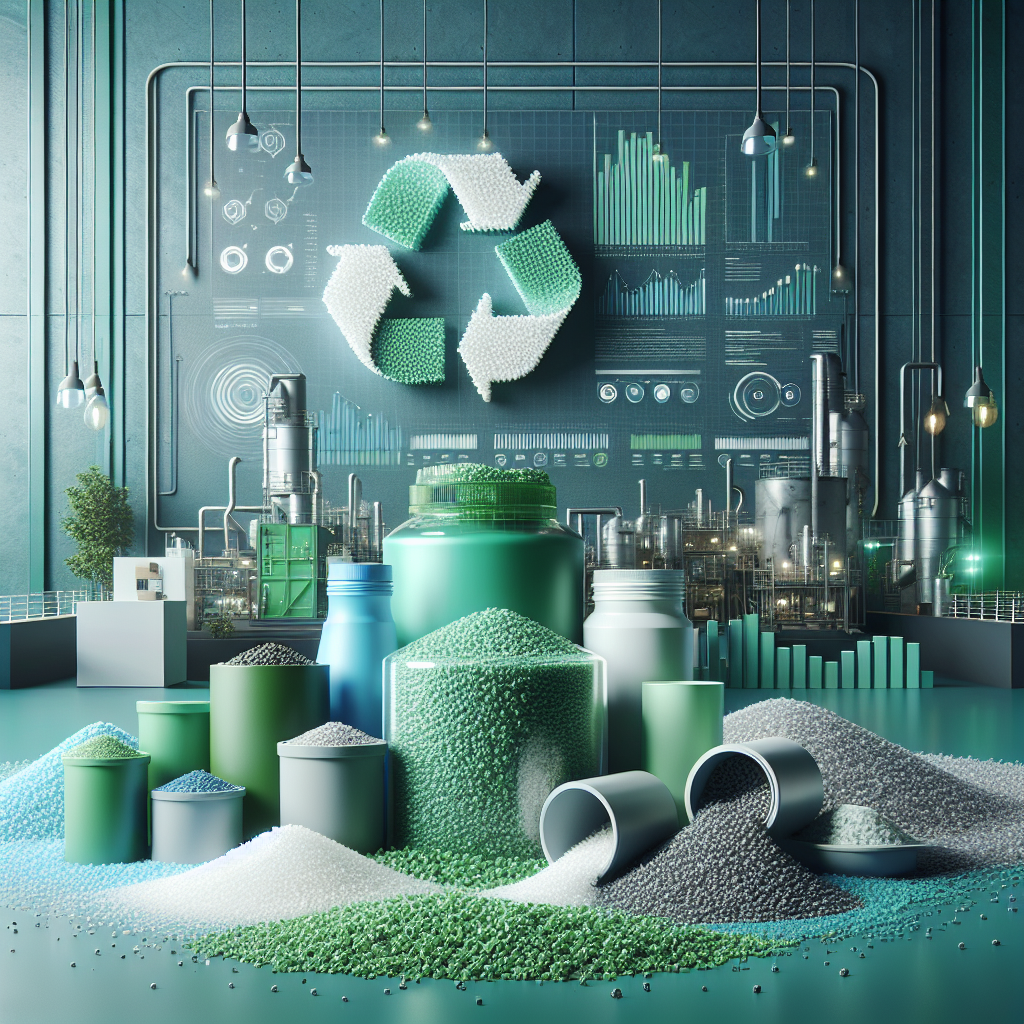
Plastic recycling is the process of collecting and transforming plastic waste into new, usable products, significantly mitigating plastic pollution and environmental damage. At AARN Polymers, we are fully committed to this mission by expertly converting plastic waste into high-quality recycled granules, known as dana, thereby promoting a sustainable circular economy.
The significance of plastic recycling cannot be overstated; it plays a vital role in reducing landfill waste, conserving natural resources, and lowering carbon footprints. In our rapidly evolving world, the demand for recycled materials has surged as industries seek sustainable solutions, and communities strive for cleaner, healthier environments. By recycling plastics, we not only reduce the environmental impact but also create opportunities for reusing valuable materials.
At AARN Polymers, we have been transforming plastic waste into high-quality granules for years, utilizing cutting-edge technologies and rigorous quality control measures to ensure that our dana meets the highest industry standards. Our commitment to sustainability drives us to continually innovate and collaborate with local initiatives to improve the recycling process and promote public awareness about effective waste management.
In this blog, you will learn about the intricate processes involved in plastic recycling and dana production, including:
- The different types of plastics commonly recycled and their applications.
- The advantages of recycling, emphasizing the benefits for environmental sustainability.
- The stringent quality standards we uphold at AARN Polymers to deliver superior recycled granules.
Understanding the Plastic Recycling Process: From Waste to Dana Granules
At AARN Polymers, we understand that the plastic recycling process is a pivotal journey that transforms plastic waste into valuable raw materials, specifically dana granules. This journey facilitates a sustainable approach to managing plastic waste, contributing significantly to environmental protection. Understanding this process is crucial for businesses willing to integrate recycled plastics into their operations, promote sustainability, and reduce their carbon footprint.
Key Points:
- The process begins with collecting and sorting plastic waste to distinguish between different types of plastics.
- Effective cleaning and shredding are essential to prepare the plastic for reprocessing.
- At AARN Polymers, we uniquely specialize in producing high-quality dana granules, tailored for various applications.
In essence, the recycling process involves several stages. It starts with collecting plastic waste from various sources such as households, commercial operations, and industrial facilities. We emphasize the importance of sorting, as different plastic types (like PET, HDPE, and PP) must be processed separately to ensure the quality of the end product. Once sorted, the plastics undergo cleaning to remove contaminants. Following this, they are shredded into smaller pieces, ready for reprocessing into dana granules.
We've found that the next critical step is melting and extruding the shredded plastics. In our facility, we utilize advanced extrusion technology to create uniform granules that meet stringent quality standards. Finally, these granules are cooled, cut into uniform sizes, and packaged, ready to be delivered to manufacturers looking for sustainable material alternatives.
Transforming Plastic Waste into High-Quality Recycled Granules
Transforming plastic waste into high-quality recycled granules is both an art and a science. At AARN Polymers, we focus on maintaining exceptional quality standards throughout the entire recycling process. Our goal is to ensure that the resulting dana granules not only meet but exceed industry specifications, making them an attractive option for manufacturers seeking sustainable alternatives.
Key Points:
- The transformation process consists of multiple essential stages, including cleaning, shredding, and granulating.
- Each stage is critical in ensuring the quality of the final product.
- AARN Polymers employs advanced technologies in recycling to maintain consistent granule quality.
The complexity of transforming waste into granules lies in the meticulous attention we give to each process stage. For instance, during cleaning, we utilize specialized wash lines that effectively remove impurities while preserving the material's integrity. This is followed by shredding, where we carefully control the size of the output to optimize the subsequent melting process. Our facility is equipped with modern granulator machines that allow for precise control over temperature and feed rates during extrusion.
Our experience has shown that employing such meticulous processes results in high-quality dana granules that boast excellent physical properties and consistent performance. These granules can be seamlessly integrated into new products, supporting manufacturers in their transition towards a more sustainable production model. By prioritizing quality in our recycling processes, we're not only contributing to waste reduction but simultaneously fostering a circular economy where materials are reused and valued.
Exploring the Benefits of Recycling for a Sustainable Future
At AARN Polymers, we champion the benefits of recycling as a cornerstone of sustainable development. Recycling not only diverts waste from landfills but also conserves natural resources and reduces greenhouse gas emissions. By understanding these benefits, industries can make informed decisions about integrating recycled materials into their supply chains and operations.
Key Points:
- Recycling reduces the demand for virgin materials, leading to less resource depletion.
- It helps lower carbon emissions by requiring less energy during production.
- Our operations at AARN Polymers are designed to enhance these sustainability benefits.
The process of recycling manifests several environmental advantages. For instance, every ton of recycled plastic can save up to 1.5 tons of carbon dioxide emissions compared to producing virgin plastic. This reduction is vital in our fight against climate change and resource scarcity. Furthermore, recycling helps preserve valuable resources like oil and gas, which are required for producing new plastics.
At AARN Polymers, we've observed a growing awareness within industries around the benefits of recycled materials. Many businesses are adopting sustainable practices, recognizing that utilizing recycled granules not only improves their sustainability profile but also fosters customer loyalty. By demonstrating a commitment to environmental responsibility, companies can enhance their brand reputation and gain a competitive edge in the market.
The Role of AARN Polymers in Promoting Circular Economy Through Plastic Recycling
AARN Polymers plays a crucial role in promoting a circular economy by facilitating efficient plastic recycling processes. We understand that a circular economy relies on minimizing waste and maximizing resource efficiency. The solutions we offer ensure that plastic waste is not merely disposed of but reincorporated into the production cycle, thereby reducing the need for new materials.
Key Points:
- Our recycling operations are designed to support the principles of the circular economy.
- We focus on not only recycling but also educating and collaborating with industries.
- AARN Polymers is committed to innovation in recycling technologies and processes.
Our commitment goes beyond recycling; we actively collaborate with businesses and communities to foster a circular economy mindset. By providing high-quality recycled granules, we enable manufacturers to utilize sustainable materials, significantly reducing their ecological footprint. Furthermore, we offer technical support and guidance to help companies transition from traditional materials to recycled options seamlessly.
We've witnessed that effective collaboration can lead to impactful initiatives that enhance recycling rates. By building partnerships with local authorities, NGOs, and manufacturing sectors, we create a more extensive network to promote sustainable practices. This collaboration is essential as it drives awareness and innovation, allowing us to share best practices, improve recycling technologies, and ultimately close the loop on plastic waste.
Types of Plastics Commonly Recycled and Their End Applications
In the world of plastic recycling, not all plastics are created equal. At AARN Polymers, we specialize in recycling a variety of plastics, each with unique characteristics and applications. Understanding the types of plastics commonly recycled and their end uses is crucial for businesses aiming to source quality recycled materials.
Key Points:
- The primary types of plastics we recycle include PET, HDPE, and PP.
- Each type of plastic has specific properties that determine its best applications.
- Our expertise allows us to create granules suitable for diverse sectors.
The most commonly recycled plastics are polyethylene terephthalate (PET), high-density polyethylene (HDPE), and polypropylene (PP). PET is widely used in beverage bottles, while HDPE is prevalent in containers and piping. PP is often found in products like automotive parts and packaging materials. Each plastic type possesses distinctive properties making it suitable for various applications.
At AARN Polymers, our advanced recycling processes ensure that the unique characteristics of these plastics are retained, providing high-quality granules that can be utilized in manufacturing new products. For example, PET granules can be integrated into textiles and new containers, while HDPE can be used for making durable goods like outdoor furniture. By taking a tailored approach to plastic recycling, we can meet the specific needs of diverse industries while contributing positively to sustainability efforts.
Maintaining Quality Standards in Recycled Granules Production
Maintaining quality standards in the production of recycled granules is paramount at AARN Polymers. As industries increasingly turn to recycled materials, the demand for high-quality granules that meet specific performance criteria has grown. We prioritize stringent quality control measures throughout our recycling process to ensure our granules stand out in the market.
Key Points:
- Our production process is governed by rigorous quality assurance protocols.
- We conduct regular testing to ensure granules meet industry standards.
- AARN Polymers is committed to continuous improvement in our production methods.
Quality assurance begins from the initial collection of plastic waste, where we prioritize sourcing materials from trusted suppliers to mitigate contamination. Once the plastics arrive at our facility, we put them through a series of inspections and tests, including visual, mechanical, and chemical analyses, to ensure they meet our high-quality standards. Our goal is to eliminate any inconsistencies before the granules are manufactured.
In our experience, maintaining such rigorous standards not only improves product performance but also significantly reduces the risk of defects in end applications. By consistently supplying high-quality dana granules, AARN Polymers supports manufacturers in achieving their production goals while aligning with sustainability objectives. Moreover, our commitment to quality fosters positive relationships with clients, ensuring they can depend on us as their trusted partner in plastic recycling.
Collaborating for a Greener Tomorrow: Community and Industry Initiatives in Recycling
At AARN Polymers, we believe collaboration is at the heart of pushing forward industry and community initiatives in recycling. We recognize that fostering a sustainable future requires collective efforts from various stakeholders, including businesses, governments, and local communities. Through our initiatives, we aim to inspire a positive change in attitudes towards recycling.
Key Points:
- We actively participate in community outreach programs to educate the public on recycling.
- AARN Polymers collaborates with government and industry stakeholders to develop effective recycling policies.
- Our dedication to corporate social responsibility drives our involvement in local sustainability projects.
For instance, at AARN Polymers, we engage in educational campaigns that partner with schools and community organizations to raise awareness about plastic waste and recycling. We believe that inspiring the next generation is crucial for long-term sustainability. Through workshops and outreach events, we provide individuals with the knowledge to reduce, reuse, and recycle effectively.
Additionally, we regularly collaborate with industry peers and local governments to advocate for better recycling policies and practices. By working together, we aim to create a more comprehensive recycling infrastructure that benefits all stakeholders involved. These initiatives not only promote recycling but also strengthen our community ties, laying the groundwork for a greener tomorrow.
In conclusion, AARN Polymers aims to be a leader in fostering sustainability through collaboration and innovation, paving the way toward a circular economy that values recycled materials. Together, we can build a resilient and sustainable future for our planet.
Conclusion
At AARN Polymers, we believe understanding plastic dana is crucial for fostering sustainability in the Indian market. As we discussed, plastic granules play a pivotal role in the recycling process and contribute significantly to a circular economy. Embracing this knowledge empowers us to make informed decisions that positively impact our environment.
Key Takeaways:
- Plastic dana serves as the building block for various recycled products.
- Understanding quality and sourcing can enhance sustainable practices.
- The growth of the plastic granules market is aligned with sustainability goals.
Looking forward, we see exciting implications for plastic recycling in India. As awareness around sustainability continues to grow, we anticipate a stronger commitment towards adopting circular economy practices. This shift not only aids in reducing waste but also promotes innovative uses for recycled materials, ultimately helping us achieve our sustainability targets.
We encourage you to partner with AARN Polymers for high-quality recycled granules that align with your sustainability goals. Together, let’s take meaningful steps towards a greener future—contact us today to explore sustainable sourcing options!
Q: What is plastic dana and how is it used in manufacturing?
A: At AARN Polymers, we define plastic dana as small granules made from recycled or virgin plastic that serve as the primary raw material for various manufacturing processes, such as injection molding and extrusion. These granules provide consistency and ease of handling, making them ideal for producing a wide range of plastic products.
Q: How is plastic dana produced from plastic waste?
A: The process begins with collecting and sorting plastic waste, which is then cleaned and granulated into smaller, uniform pieces. At AARN Polymers, we utilize advanced recycling techniques to ensure that our plastic dana retains high quality and performance standards, making it suitable for diverse industrial applications.
Q: What quality standards should I look for in plastic granules?
A: When assessing plastic granules, it's crucial to check for properties like melt flow index, color consistency, and mechanical performance. At AARN Polymers, our plastic dana undergo rigorous quality control processes to ensure they meet industry standards, allowing you to confidently use our products in your manufacturing operations.
Q: What are the sustainability benefits of using plastic dana?
A: Choosing plastic dana made from recycled materials significantly reduces plastic waste in landfills and the environmental footprint associated with producing virgin plastics. By sourcing our recycled granules at AARN Polymers, you contribute to circular economy practices and help decrease the overall demand for fossil fuels typically used in plastic production.
Q: How can I partner with AARN Polymers for my plastic granule needs?
A: We welcome partnerships with manufacturers, procurement teams, and sustainability officers interested in sourcing high-quality plastic dana. By collaborating with AARN Polymers, you gain access to a reliable supply chain of recycled granules, along with our expertise in sustainability to help you meet your environmental goals.