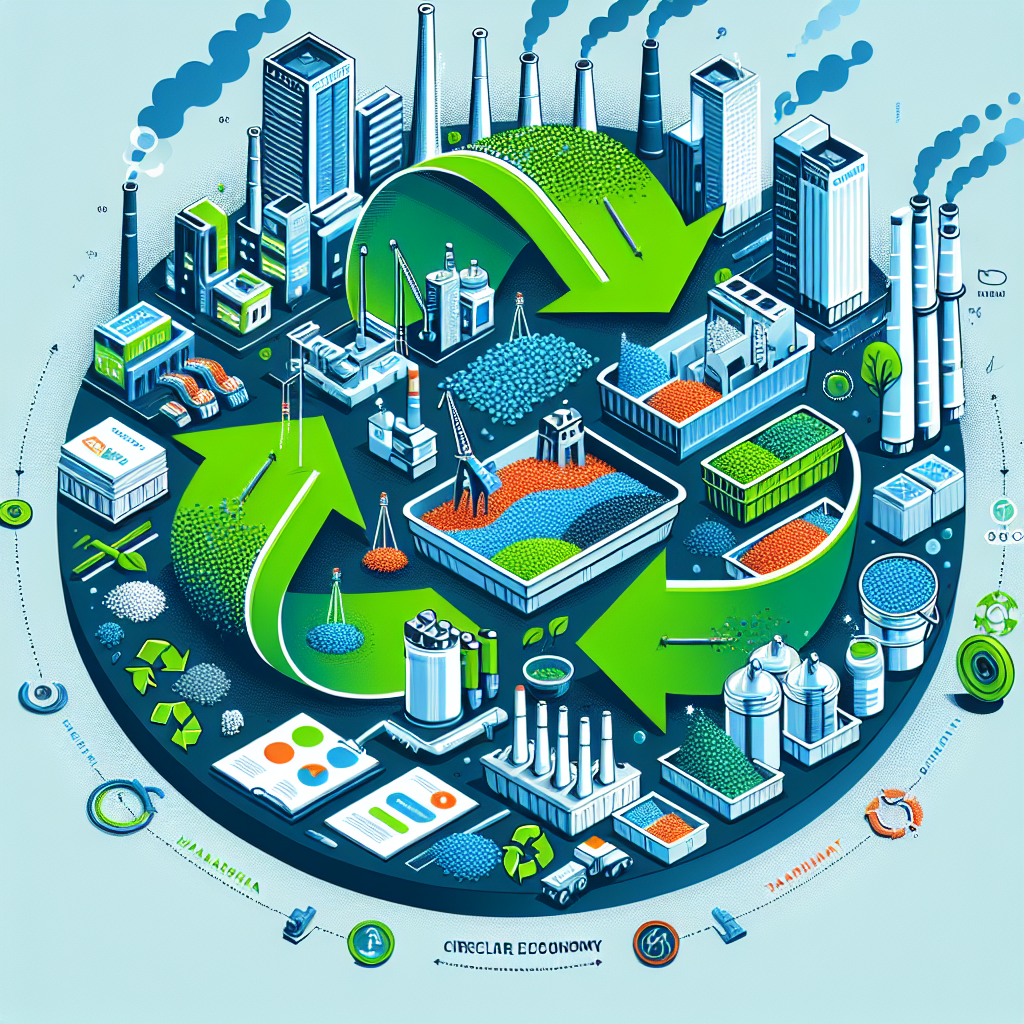
Plastic recycling is the essential process of converting waste plastic into reusable materials, particularly high-quality dana (granules). At AARN Polymers, we lead the industry with innovative solutions for effective plastic waste management and sustainability. Our initiatives are designed to meet current ecological needs while supporting the well-being of future generations, making recycling not just a necessity but a responsibility we all share.
The significance of plastic recycling lies in its vital role within the circular economy. As we face mounting environmental challenges, reducing waste and reusing materials becomes increasingly critical. The industry demand for recycled materials is growing, highlighting the importance of transforming plastic waste into valuable resources. By effectively recycling plastics, we mitigate the impact on landfills and oceans and contribute to a sustainable future for our planet.
At AARN Polymers, we have been transforming plastic waste into high-quality granules for years. Our commitment to quality is unwavering, ensuring that every step of our recycling process—from collection to granulation—adheres to the highest standards. Our innovative approach combines advanced technology and rigorous quality checks to create granules that not only meet but exceed industry expectations.
In this blog, you'll explore:
- What plastic recycling entails and its significance in today's world.
- The step-by-step process of producing high-quality dana from recycled plastics.
- AARN Polymers’ innovative practices in fostering a sustainable circular economy.
Understanding Plastic Recycling: The Foundation of Sustainability
As a plastic recycling expert at AARN Polymers, I firmly believe that understanding plastic recycling is paramount for fostering sustainability in our world today. Plastic recycling transforms used plastics into new materials, effectively reducing waste and conserving natural resources. This process not only diverts plastics from landfills but also minimizes the demand for virgin plastic production, making it a cornerstone of sustainable practices.
Key Points:
- Recycling conserves energy and reduces greenhouse gas emissions compared to producing new plastics.
- It creates a circular economy where materials are reused, contributing to resource efficiency and waste reduction.
- Through AARN Polymers' expertise, we've developed techniques that enhance the quality of recycled materials, allowing for broader applications.
In our experience, the journey of plastic recycling begins with collection and sorting, which is crucial to ensuring that the right types of plastics are processed. We emphasize the importance of identifying and separating different plastic types, as contamination can hinder the recycling process and diminish the quality of the final product. Our facility employs advanced sorting technologies and manual inspection, resulting in high-purity feedstock that serves as the building block for our recycled granules.
The environmental benefits of plastic recycling extend to reducing the carbon footprint associated with production. By reprocessing plastics, we save significant amounts of energy and water compared to conventional plastic manufacturing. Furthermore, by making high-quality recycled resins available, we support industries in their quest for sustainable materials, thereby contributing to a broader shift toward environmentally responsible practices.
Transforming Plastic Waste into High-Quality Dana: A Step-by-Step Process
At AARN Polymers, we specialize in the transformative process of converting plastic waste into high-quality dana, a form of recycled resin. This process follows stringent protocols to ensure product quality and sustainability, creating valuable materials that can be repurposed for various applications.
Process Steps:
1. Collection and Sorting: We source plastic waste from multiple sectors, followed by rigorous sorting to separate plastics by type and grade.
2. Cleaning and Shredding: Contaminants, such as labels and dirt, are removed before shredding the plastic into uniform pieces. This step is vital for maintaining the integrity of the material.
3. Extrusion and Pelletizing: The shredded plastic is then melted and extruded into strands, which are subsequently cooled and cut into granules. This stage converts raw materials into a usable form ready for manufacturers.
Through this detailed process, we've established a robust quality control system at AARN Polymers. We monitor each stage to ensure that the resulting dana meets industry standards and can compete with virgin materials. This attention to detail has helped us build a reputation for excellence within the recycling industry, enabling us to contribute significantly to the sustainability movement.
Real-world observations indicate that the proper treatment and transformation of plastic waste can yield high-value products. Our clients often remark on the performance of our recycled dana, highlighting its applicability across diverse markets, from packaging to construction materials. This versatility reaffirms the importance of adopting robust recycling processes that can produce materials adhering to strict quality requirements while simultaneously addressing sustainability goals.
Creating a Sustainable Future: AARN Polymers' Approach to Recycling
At AARN Polymers, we are committed to shaping a sustainable future through innovative recycling practices. Our approach goes beyond simply processing plastics; we aim to reduce environmental impact, enhance resource recovery, and promote the circular economy.
Key Points:
- Our facility is equipped with state-of-the-art technology that maximizes efficiency while minimizing waste.
- We collaborate closely with industries to develop tailored recycling solutions that meet their specific needs.
- Sustainability is embedded in our corporate culture, guiding our decision-making processes and strategic partnerships.
We believe that creating a sustainable future starts with awareness and education. AARN Polymers actively engages with businesses to help them understand the benefits of incorporating recycled materials into their operations. Through workshops and consultations, we provide actionable insights on how to integrate recycled plastics efficiently, thus fostering a culture of sustainability within their supply chains.
Moreover, our work emphasizes the significance of traceability in recycled materials. We recognize the growing demand for transparency in the sourcing of materials, which is why we ensure that all our products are certified and traceable. This practice not only builds trust with our clients but also highlights our commitment to upholding environmental and social standards in all our operations.
By addressing key aspects of sustainability, we have developed long-term partnerships with companies that prioritize eco-friendly practices. Together, we can pioneer innovative solutions that drive change in the industry and accelerate the transition toward a sustainable future.
Innovative Practices in Plastic Granule Production: Meeting Industry Standards
At AARN Polymers, innovation is at the heart of our operations, especially in plastic granule production. Our commitment to quality means that we take great care in meeting and exceeding industry standards through continuous improvement and advanced methodologies.
Key Points:
- We utilize cutting-edge technology to ensure the high purity of our granules, making them suitable for a diverse range of applications.
- Our production processes are designed to be energy-efficient, minimizing waste and maximizing resource use.
- By implementing ISO quality management systems, we maintain a consistent standard that clients can rely upon.
One of our standout practices is the implementation of a closed-loop system in our production process. This method not only enhances efficiency but also minimizes environmental impact. By reusing materials and optimizing energy consumption, we reduce costs and improve the sustainability of our operations over time.
In observing industry trends, we’ve noted a significant shift toward eco-conscious materials, and our granules are designed to fit this emerging demand. Clients often seek materials that align with their own sustainability goals, and our commitment to quality ensures that our recycled granules perform effectively in their applications without compromising on the original product's quality.
Moreover, understanding the specific requirements of our clients allows us to adapt and innovate continuously. We've found that collaboration—not just within our organization but with our clients—drives the advancement of sustainable practices in plastic granule production. This synergy fosters a culture of innovation that keeps AARN Polymers at the forefront of the recycling industry.
The Role of Recycling in the Circular Economy: Why It Matters
As a dedicated advocate for recycling, I recognize its pivotal role in the circular economy. At AARN Polymers, we firmly believe that recycling is not merely an option; it is an essential mechanism for sustainable development that addresses environmental, economic, and social challenges.
Key Points:
- The circular economy emphasizes keeping materials in use for as long as possible, effectively reducing waste.
- Recycling practices contribute to resource conservation, leading to lower energy consumption and decreased greenhouse gas emissions.
- At AARN Polymers, we actively support initiatives that promote recycling education and awareness within communities.
Through our operations, we have seen firsthand how recycling can transform business models and consumer behavior. By turning plastic waste into valuable products, we create a loop of consumption that not only drives economic growth but also supports the responsible use of resources. This model demonstrates the necessity of innovative recycling solutions to mitigate the rising concerns of plastic pollution and resource scarcity.
Our partnerships with manufacturers and local businesses reflect our commitment to establishing a framework for a circular economy. By providing them with high-quality recycled materials, we ensure that businesses can incorporate sustainability into their operations while enjoying the economic benefits of reduced raw material costs and waste management expenses.
Furthermore, the role of recycling in the circular economy becomes increasingly critical as consumer awareness grows. We’ve observed that informed consumers are more likely to support businesses that prioritize sustainability. For instance, initiatives that showcase recycled content in products are gaining traction, and we are proud to be a part of this shift towards a more sustainable marketplace.
Addressing Environmental Challenges through Effective Plastic Waste Management
At AARN Polymers, addressing environmental challenges is a core focus of our mission. By implementing effective plastic waste management strategies, we aim to tackle the pressing issues associated with plastic pollution and resource depletion, which have escalated to alarming levels globally.
Key Points:
- Effective waste management involves comprehensive strategies that include prevention, reduction, reuse, and recycling.
- By creating partnerships with municipalities and businesses, we enhance community-based recycling programs that divert plastics from landfills.
- Our commitment to innovation enables us to explore alternative methods for plastic waste treatment, reducing reliance on traditional disposal methods.
In practice, we have established collaborative waste management initiatives that provide citizens with accessible and efficient recycling opportunities. Programs such as community drop-off centers and awareness campaigns have successfully increased participation rates in local recycling efforts. This engagement not only helps reduce plastic waste but also promotes a culture of sustainability within communities.
Moreover, AARN Polymers is proactive in developing innovative solutions for hard-to-recycle plastics, which often pose significant challenges in conventional waste management systems. Through research and development, we are working on advanced recycling technologies that break down complex plastic types into valuable feedstock, expanding the range of materials we can effectively process and repurpose.
We know that tackling environmental challenges requires a multi-faceted approach involving collaboration with stakeholders across all sectors. By pooling resources and knowledge, we can create a comprehensive framework for managing plastic waste that benefits not only our environment but also our local economies.
Mitigating Landfill Impact: The Importance of Reusing Plastic Materials
Mitigating the impact of plastic waste in landfills is a significant concern at AARN Polymers. As experts in the recycling industry, we are acutely aware of the environmental repercussions that arise from landfilling plastics—going beyond mere aesthetics to pose serious threats to wildlife and natural ecosystems.
Key Points:
- By reusing and recycling plastics, we significantly reduce the volume of waste sent to landfills, helping to conserve valuable land and resources.
- Our processes focus on producing high-quality recycled materials that can replace virgin plastics in a range of applications.
- We advocate for policy changes that encourage reuse and recycling initiatives to alleviate landfill pressures.
In reviewing our operations, we recognize that achieving significant reductions in landfill waste depends on adopting a mindset of reusability. Our facility is committed to taking waste materials from businesses and transforming them into valuable recycled products. Through education and outreach initiatives, we engage communities about the benefits of recycling and how individuals can contribute to reducing landfill waste.
AARN Polymers also emphasizes the importance of designing for recyclability. By collaborating with product developers, we advocate for materials that are easier to recycle, enabling smoother processing and greater recovery rates. This cooperative approach aligns with our goal of minimizing disposal options for plastics and ultimately reducing landfill reliance.
We have witnessed firsthand the positive results of implementing sustainable practices across various sectors. As businesses increasingly adopt recyclable materials, we can collectively decrease our ecological footprint and move toward a more circular economy that minimizes landfill impact.
Conclusion
At AARN Polymers, we recognize the vital role that industrial clusters in Maharashtra, Gujarat, and Tamil Nadu play in the effective utilization of plastic granules for sustainable development. These regions are not just hubs of economic activity; they are crucial in promoting the use of recycled materials, reducing waste, and supporting our sustainability goals. Understanding the dynamics of these industrial clusters helps us contribute positively to a circular economy.
Key Takeaways:
- Industrial clusters drive the demand for recycled plastic granules, fostering economic growth.
- Strategic collaboration among states enhances recycling capabilities and innovation.
- Investing in sustainable practices is essential for meeting global sustainability targets.
Looking forward, we see immense potential for plastic recycling and the growth of the circular economy. As more industries recognize the importance of sustainability, the demand for high-quality recycled materials will only continue to increase. This transition not only supports environmental durability but also positions businesses for long-term success.
We invite you to partner with AARN Polymers in this journey towards a sustainable future. Contact us today to explore our quality recycled granules and discover how we can help you meet your sustainability goals while driving innovation in your industry. Together, let's build a greener tomorrow.
Q: What are industrial clusters and how do they relate to plastic granules in Maharashtra, Gujarat, and Tamil Nadu?
A: At AARN Polymers, we define industrial clusters as geographic concentrations of interconnected companies in specific industries. In regions like Maharashtra, Gujarat, and Tamil Nadu, these clusters facilitate the efficient use of plastic granules, optimize supply chains, and promote collaboration among manufacturers and recyclers.
Q: How can manufacturers in these clusters effectively integrate plastic granules into their production processes?
A: I recommend establishing partnerships with local suppliers of recycled plastic granules, like AARN Polymers. Incorporating these materials involves evaluating product requirements, ensuring compatibility with existing machinery, and gradually transitioning to reduce waste while maintaining high quality.
Q: What quality standards should manufacturers expect from plastic granules sourced within these industrial clusters?
A: At AARN Polymers, we uphold strict quality control measures to ensure our recycled plastic granules meet industry standards such as ASTM and ISO certifications. We provide documentation on melt flow index, tensile strength, and color specifications, ensuring that manufacturers can confidently use our granules.
Q: What sustainability advantages do industrial clusters offer when utilizing recycled plastic granules?
A: By sourcing recycled plastic granules from local suppliers within industrial clusters, businesses can significantly reduce their carbon footprint. AARN Polymers estimates that using recycled materials can decrease energy consumption by up to 70% compared to virgin plastic production, leading to substantial environmental benefits.
Q: How can companies in Maharashtra, Gujarat, and Tamil Nadu partner with AARN Polymers for sourcing plastic granules?
A: We invite manufacturers and procurement teams to reach out to AARN Polymers for information on our product offerings and collaborative opportunities. We can assist in tailoring solutions that fit your specific needs, ensuring a reliable supply of high-quality recycled granules while promoting sustainability.