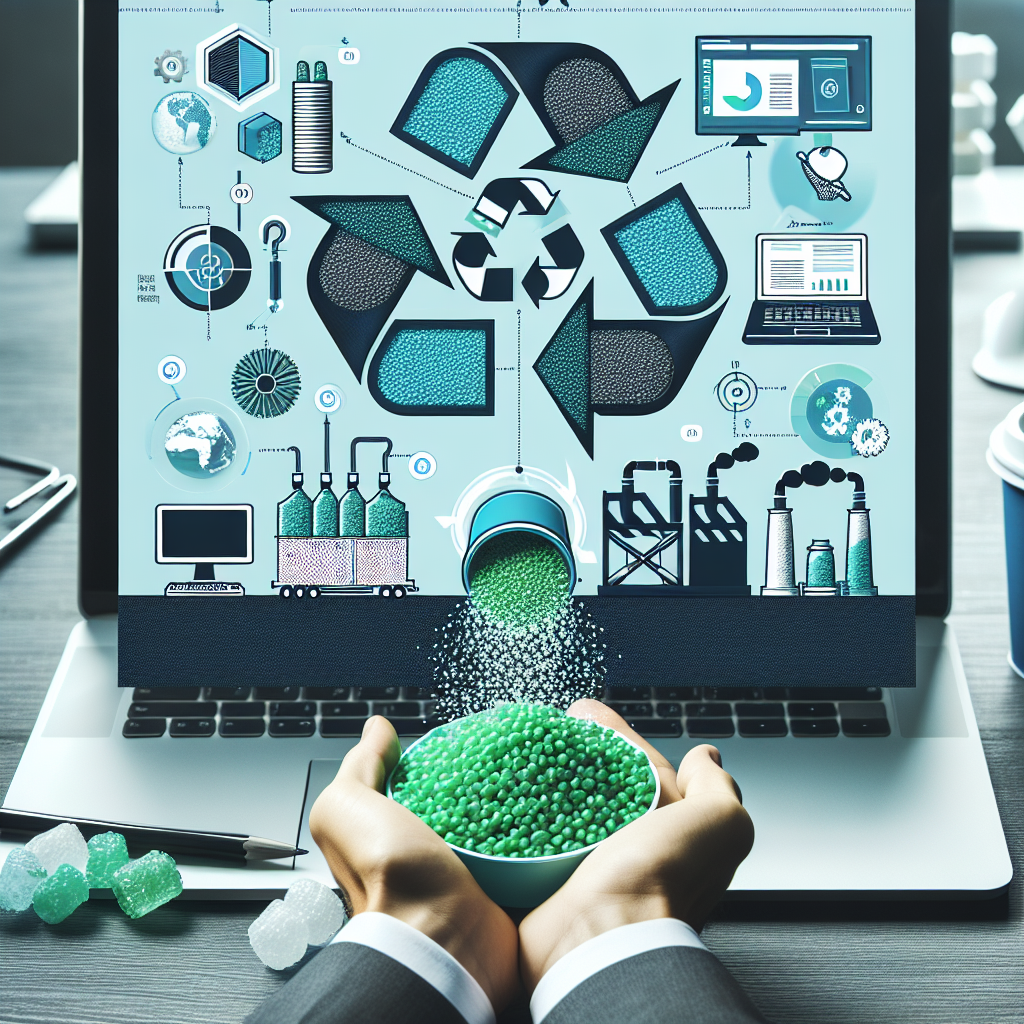
Plastic recycling involves reprocessing used plastic materials into new products, effectively reducing waste and conserving valuable resources. At AARN Polymers, we recognize the essential role that plastic recycling plays in advancing a circular economy, where materials are reused and maintained within the lifecycle, benefiting both the environment and society. By transforming plastic waste into high-quality granules, we contribute to a more sustainable future.
The significance of plastic recycling cannot be understated, as it serves as a vital component of environmental sustainability. By recycling, we significantly minimize the accumulation of plastic waste in landfills, decrease greenhouse gas emissions, and reduce the reliance on virgin materials. This not only helps in conserving the finite resources of our planet but also supports an increasing industry demand for recycled materials, which is crucial in mitigating the negative impacts of traditional plastic production.
At AARN Polymers, we have been at the forefront of plastic recycling for years, harnessing advanced technology and expertise to ensure that we produce granules that meet the highest quality standards. Our commitment to sustainability is reflected in every facet of our operations, from efficiently sourcing materials to implementing strict quality control measures. Through our efforts, we have successfully demonstrated how recycling can be integrated into various industries, ultimately transforming waste into valuable resources.
In this blog, you'll learn more about the vital role of plastic recycling in a circular economy, including:
- The various types of plastic waste and the benefits they offer for recycling.
- The advantages of recycling over traditional landfilling practices.
- A step-by-step look at the plastic recycling process and best practices for implementation.
The Vital Role of Plastic Recycling in Advancing Sustainability
At AARN Polymers, we believe that plastic recycling is a fundamental pillar in the quest for sustainability. It not only helps mitigate the environmental impact of plastic waste but also plays a significant role in conserving resources and reducing greenhouse gas emissions. By reprocessing plastic, we can extend the life cycle of materials, minimize the need for virgin production, and foster a circular economy where waste is continuously repurposed into valuable resources.
The impact of plastic waste is staggering, with millions of tons ending up in landfills or oceans each year. Through effective recycling, we aim to divert this waste from its destructive path. Recycling plastics is not merely an environmental responsibility; it is an opportunity for innovation and economic growth. As industry players embrace sustainable practices, they unlock new markets and foster a culture of resourcefulness.
Key points to consider include:
- Recycling reduces the consumption of fossil fuels, as producing recycled plastics requires less energy than creating new materials.
- High-quality recycled plastics can meet the same performance standards as virgin plastics, providing a viable alternative for manufacturing.
- At AARN Polymers, we continuously invest in state-of-the-art technology to ensure our recycled products exceed industry quality benchmarks.
In practice, we've observed a growing demand for sustainable products, driven not only by regulatory pressure but also by consumer awareness. As more businesses and individuals prioritize sustainability, our role as innovators in the recycling process becomes even more critical. By improving our methods and actively engaging in educating others, we aim to shift the paradigm towards a greener future.
Understanding Different Types of Plastic Waste and Their Recycling Potential
Understanding the various types of plastic waste is crucial for maximizing recycling potential. Plastics are categorized into different resin types, each with unique properties and recycling pathways. The most common plastics include PET (Polyethylene Terephthalate), HDPE (High-Density Polyethylene), PVC (Polyvinyl Chloride), LDPE (Low-Density Polyethylene), PP (Polypropylene), and PS (Polystyrene). Each of these resins presents distinct challenges and opportunities in recycling.
At AARN Polymers, we focus on identifying the material composition of plastic waste to determine the best recycling approach. For instance, PET is widely recycled and can be transformed into high-quality flakes and, ultimately, granules that are suitable for a range of applications, from textiles to food packaging. On the other hand, materials like PVC often require more specialized processes due to contaminants and additives.
Key considerations include:
- The recycling potential of each type of plastic varies significantly and impacts how we process it.
- Accurate sorting of plastics is essential to ensure efficiency in the recycling process and quality of the end products.
- Our experience at AARN Polymers informs our understanding of market demand, enabling us to select plastics for recycling that align with current trends.
Our understanding of plastic types is informed by ongoing analysis and adaptation. We've witnessed firsthand how the evolution of consumer behavior influences our material choices. As we move forward, our focus will remain on enhancing our recycling capabilities while promoting awareness about the varying recyclability of different plastics, ultimately driving responsible practices across industries.
Transforming Plastic Waste into High-Quality Granules: AARN Polymers' Expertise
At AARN Polymers, we specialize in transforming plastic waste into high-quality granules through a meticulous and efficient recycling process. Our expertise lies in the advanced sorting, shredding, and granulation techniques we employ to ensure the purity and integrity of our recycled materials. Each step in our process is designed to uphold the highest quality standards, allowing us to produce granules that meet the demanding requirements of various industries.
The initial phase of our process involves an extensive sorting operation, where we carefully separate different types of plastics to maintain material integrity. Once sorted, plastics are then shredded, significantly reducing their size and making them easier to process. This is followed by washing and removing contaminants, which is critical for achieving a quality product.
Key process steps include:
1. **Sorting**: Using advanced technologies, we classify plastics based on resin type, ensuring the right materials are sent for processing.
2. **Shredding**: The sorted plastics are reduced to smaller pieces, enabling efficient washing and further processing.
3. **Washing and Pelletizing**: After cleaning, plastics are melted down and pelletized into granules ready for manufacturing, ensuring they are free from impurities.
In our experience at AARN Polymers, the demand for high-quality recycled granules is surging, driven by a need for sustainable materials that do not compromise on performance. We continuously refine our techniques, integrating feedback and advancements in technology, to produce products that exceed customer expectations. The granules we produce are subsequently used in new plastic products, staying true to our commitment to sustainability and resource conservation.
Processing and Implementing Best Practices for Effective Plastic Recycling
Effective plastic recycling is rooted in implementing best practices throughout the entire processing chain. At AARN Polymers, we have developed a comprehensive approach that emphasizes efficiency, quality, and sustainability. The main challenge is overcoming contamination and variability in material quality, which can severely impact the recycling outcome.
One of the best practices we follow is employing sophisticated sorting technologies, like near-infrared (NIR) spectroscopy and optical sorting. These systems enable us to achieve high levels of accuracy in discerning different plastic types, ensuring that we only process suitable materials. Additionally, routine maintenance of our machinery ensures optimal efficiency, reducing downtime and enhancing production rates.
Key best practices include:
- Regularly updating equipment and technologies to improve processing capabilities.
- Collaborating with industry partners to drive collective improvements in recycling initiatives.
- Training employees on effective sorting and processing techniques to maintain high standards.
Through rigorous monitoring and continuous improvement, we've successfully reduced issues such as contamination and material losses at AARN Polymers. Our internal audits inform our strategies, allowing us to adapt to the evolving landscape of plastic recycling and meet emerging industry standards. We believe that sharing these best practices across the industry not only elevates our operations but also enhances the overall effectiveness of plastic recycling efforts industry-wide.
Creating a Circular Economy: Benefits of Recycling Over Landfilling
The concept of a circular economy revolves around minimizing waste and maximizing resource utilization. At AARN Polymers, we are strong advocates for creating a circular economy through plastic recycling as opposed to traditional landfilling methods. By recycling plastics, we not only reduce waste but also lessen the demand for virgin materials, creating a system where products are reused, remade, and reintroduced into the economy.
One of the most significant benefits of recycling is the reduction of greenhouse gas emissions associated with the production of new plastics. In our operations, we've documented that recycling plastics can save up to 60% of the energy needed to produce virgin plastics. This not only contributes to climate change mitigation but also aligns with global sustainability goals.
Key benefits of recycling in a circular economy include:
- Retaining the value of materials and extending their life cycles, ultimately creating cost-saving opportunities for businesses.
- Reducing dependency on finite resources and the environmental degradation that comes from extracting new materials.
- Fostering innovation as companies innovate to meet sustainability demands, unlock new markets, and drive economic growth.
In our real-world scenarios, we have witnessed how collaborative efforts between manufacturing and recycling sectors can pave the way for a robust circular economy. Through partnerships, businesses can ensure their plastic waste is processed effectively, turning potential waste into high-value recycled products. Our role at AARN Polymers is to lead these initiatives by providing reliable recycled materials that contribute positively to both our economy and the environment.
Reducing Environmental Impact: The Importance of Recycling in Minimizing Plastic Waste
Plastic waste poses a serious threat to our environment, affecting ecosystems, wildlife, and even human health. At AARN Polymers, we understand the importance of recycling as a fundamental approach to minimizing this impact. By providing businesses and communities with a reliable outlet for their plastic waste, we support efforts to create a healthier planet for future generations.
Recycling significantly reduces the volume of plastics that end up in landfills and oceans, where they can take hundreds of years to decompose. Instead, by recycling, we can convert waste into reusable resources, thereby decreasing pollution and conserving natural habitats. Moreover, the process of recycling often uses less energy than producing new plastic goods from raw materials, resulting in lower carbon emissions.
Key environmental benefits of recycling include:
- Conserving natural resources such as petroleum and natural gas used in the production of virgin plastics.
- Reducing litter and pollution in landfills and waterways, preserving biodiversity.
- Encouraging sustainable consumption patterns and awareness among businesses and consumers alike.
At AARN Polymers, we've committed ourselves to developing solutions that tackle plastic waste effectively. Our initiatives not only aim to ease the burden on landfills but also educate communities about responsible waste management and recycling practices. We've found that driving awareness and providing accessible recycling options empowers individuals and businesses to contribute meaningfully to environmental preservation.
Exploring the Future of Plastic Recycling and Sustainable Practices at AARN Polymers
As a leader in the plastic recycling industry, AARN Polymers is continuously exploring innovative solutions to enhance sustainability. The future of plastic recycling is bright, driven by advancements in technology, increased awareness of environmental issues, and a growing demand for sustainable products. We are poised to adapt and evolve in response to the challenges faced in the recycling landscape.
In our view, the future of plastic recycling also hinges on improved collaboration between stakeholders, including manufacturers, policymakers, and consumers. By working together, we can develop comprehensive recycling systems that prioritize efficiency, effectiveness, and environmental responsibility. Emerging technologies, such as chemical recycling and bioplastics, are also on the horizon and hold promise for addressing some of the tougher plastics that currently evade recycling efforts.
Key areas we focus on for the future include:
- Investing in cutting-edge recycling technologies to expand our processing capabilities and improve quality.
- Encouraging participation in recycling initiatives within corporate sustainability programs and community engagement.
- Developing new partnerships to foster collective action towards ambitious sustainability goals.
In our experience at AARN Polymers, staying ahead of trends and proactively addressing challenges allows us to build a resilient business model that aligns with the values of sustainability and circularity. As we advocate for sustainable practices within our industry, we aim to inspire others to join us on this vital journey towards a more environmentally conscious future. Overall, our commitment remains firm: to innovate and educate, driving the evolution of plastic recycling to create lasting positive impacts.
Conclusion
At AARN Polymers, we believe that understanding the complete process of plastic Dana recycling is essential for paving the way towards a more sustainable future. Effective plastic recycling not only reduces waste but also supports a circular economy, allowing resources to be reused efficiently without the need for new raw materials. We have explored how the intricate steps of collection, sorting, shredding, and granulation play critical roles in transforming discarded plastics into valuable recycled products.
Key Takeaways:
- Plastic Dana recycling involves multiple steps that are crucial for effective waste management.
- The process significantly reduces the environmental impact of plastic consumption.
- Supporting a circular economy through recycling promotes sustainable practices and innovation.
Looking forward, we see numerous implications for enhancing plastic recycling efforts globally, contributing to the growth of the circular economy, and achieving sustainability goals. As technologies advance and communities prioritize recycling, we envision a world where plastic waste is minimized, and resources are utilized more responsibly.
We encourage you to partner with AARN Polymers in this movement toward sustainability. Whether you're looking for high-quality recycled granules or exploring sustainable sourcing options, we are here to help you make a positive impact. Contact us today to discover how we can work together in fostering a greener future.
A: At AARN Polymers, we follow a comprehensive recycling process that starts with the collection of plastic waste, followed by sorting, cleaning, shredding, and finally converting it into recycled dana granules. Each step is crucial for ensuring we achieve high-quality recycled materials suitable for manufacturing.
Q: How can manufacturers effectively incorporate recycled dana into their production?
A: To incorporate recycled dana, we recommend collaborating closely with suppliers like AARN Polymers who can provide technical specifications and guidance. Start by blending a specific percentage of recycled granules with virgin materials based on the end-use requirements to maintain performance and quality.
Q: What quality standards do AARN Polymers’ recycled plastic granules meet?
A: We strive to meet industry-leading quality standards for our recycled granules, including ASTM and ISO certifications. Each batch undergoes thorough testing for melt flow index, tensile strength, and impact resistance, ensuring our recycled dana is equivalent to virgin plastics in performance.
Q: What are the sustainability benefits of using recycled plastic dana?
A: Using recycled plastic dana significantly reduces plastic waste in landfills and lowers carbon emissions associated with producing virgin plastics. For instance, recycling just one ton of plastic saves approximately 7.4 cubic yards of landfill space and reduces CO2 emissions by 1.5 tons, contributing positively to eco-friendly practices.
Q: How can procurement teams effectively source recycled dana from AARN Polymers?
A: I recommend procurement teams reach out to AARN Polymers directly to discuss their specific needs and volume requirements. We offer tailored sourcing options and can provide detailed guidance on the most suitable recycled dana products, ensuring they meet both sustainability initiatives and performance criteria.